



Hydrangea petiolaris (Climbing hydrangea) — H65 cm | Pot Ø15 cm
- Regular price
-
€30,95 - Regular price
-
- Sale price
-
€30,95
Couldn't load pickup availability
Frequently Asked Questions
Why is my climbing hydrangea not blooming? Patience is essential — Hydrangea petiolaris spends its first three years establishing roots before flowering. Once well established, its blooms become more generous and abundant each year.
Does climbing hydrangea damage walls? Its clinging roots can mark painted or fragile plaster when detached — it is best to plant it on stone, brick, or raw concrete walls to avoid any surface damage.
SHIPPING & PACKAGING
Shipping within 24/48 hours via DPD
- Delivery in 2 to 5 business days
- Eco-friendly packaging: recyclable boxes and biodegradable materials
- Special protection to ensure the plant arrives in perfect condition
- Parcel tracking sent by email as soon as shipped
- Free delivery on orders over €50
48H QUALITY GUARANTEE
We guarantee that your plants will arrive in perfect condition. If your plant arrives damaged or in poor condition:
- Contact us within 48 hours at hello@verdeia.eu with photos
- Free replacement or full refund
- No return necessary – we trust you
The guarantee covers: damage related to transport, severely weakened plant upon arrival, preparation errors.
CARE TIPS UPON ARRIVAL
To help your plant settle in for the long term:
- Unpack immediately and inspect your plant
- Let it acclimatize 24-48h in a bright spot without direct sunlight
- Check soil moisture before watering (dry surface = light watering)
- Wait 2-3 weeks before repotting
- Avoid heat sources and drafts
- Gently wipe leaves to remove dust
Need help? Contact our team at hello@verdeia.eu or via chat.
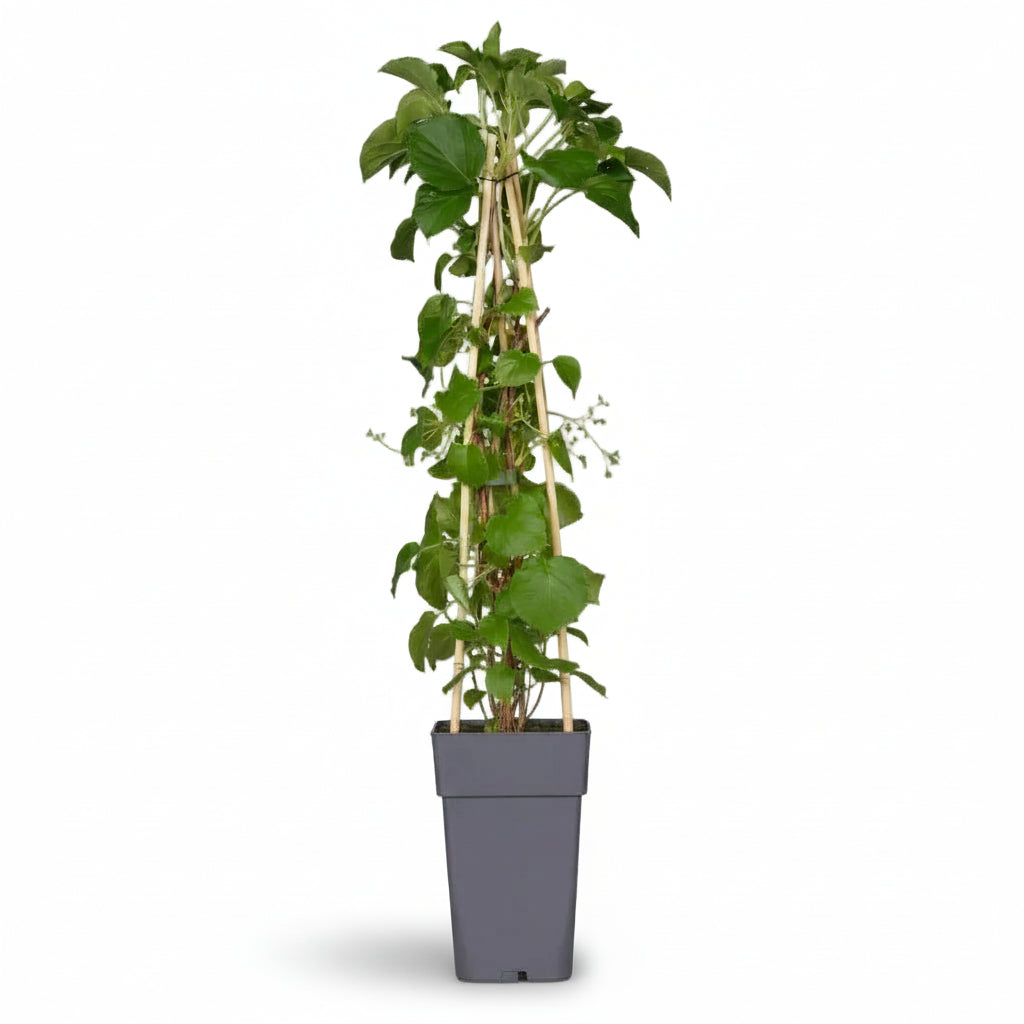
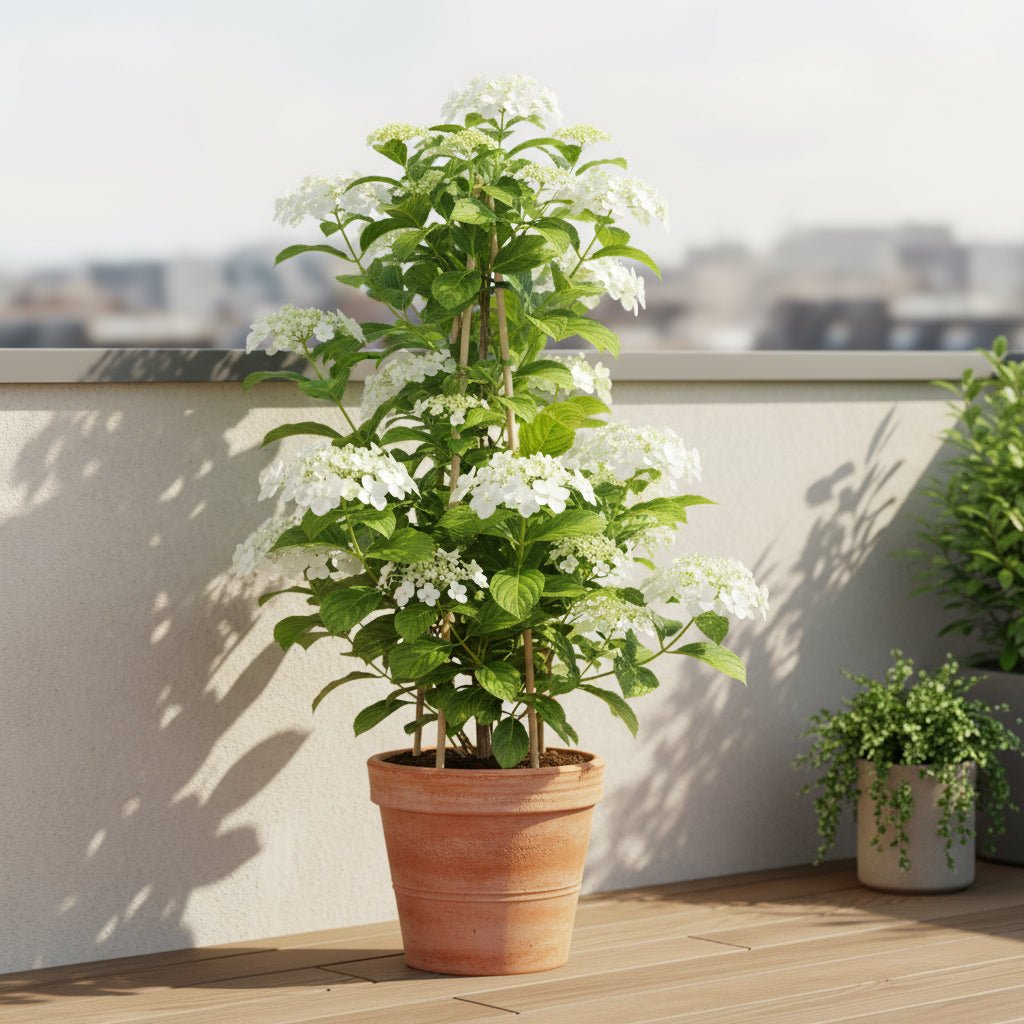
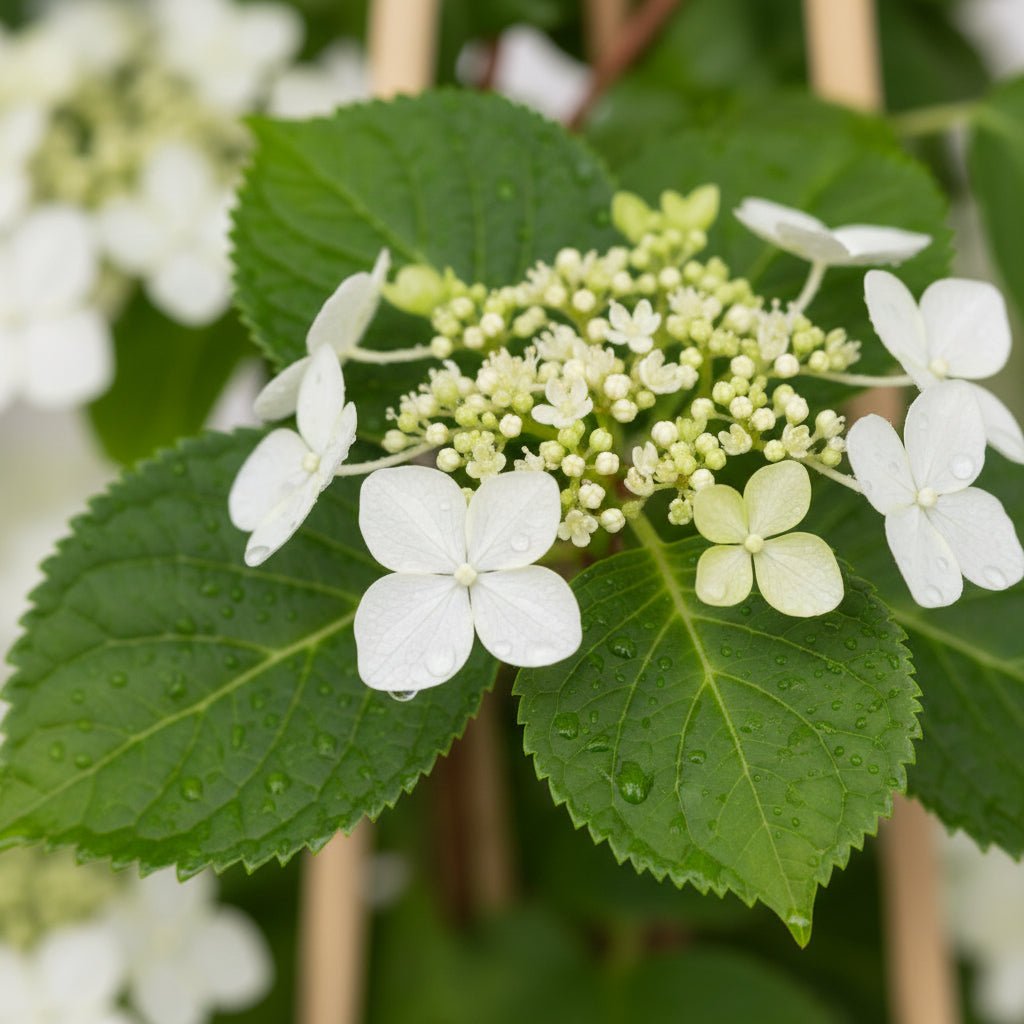
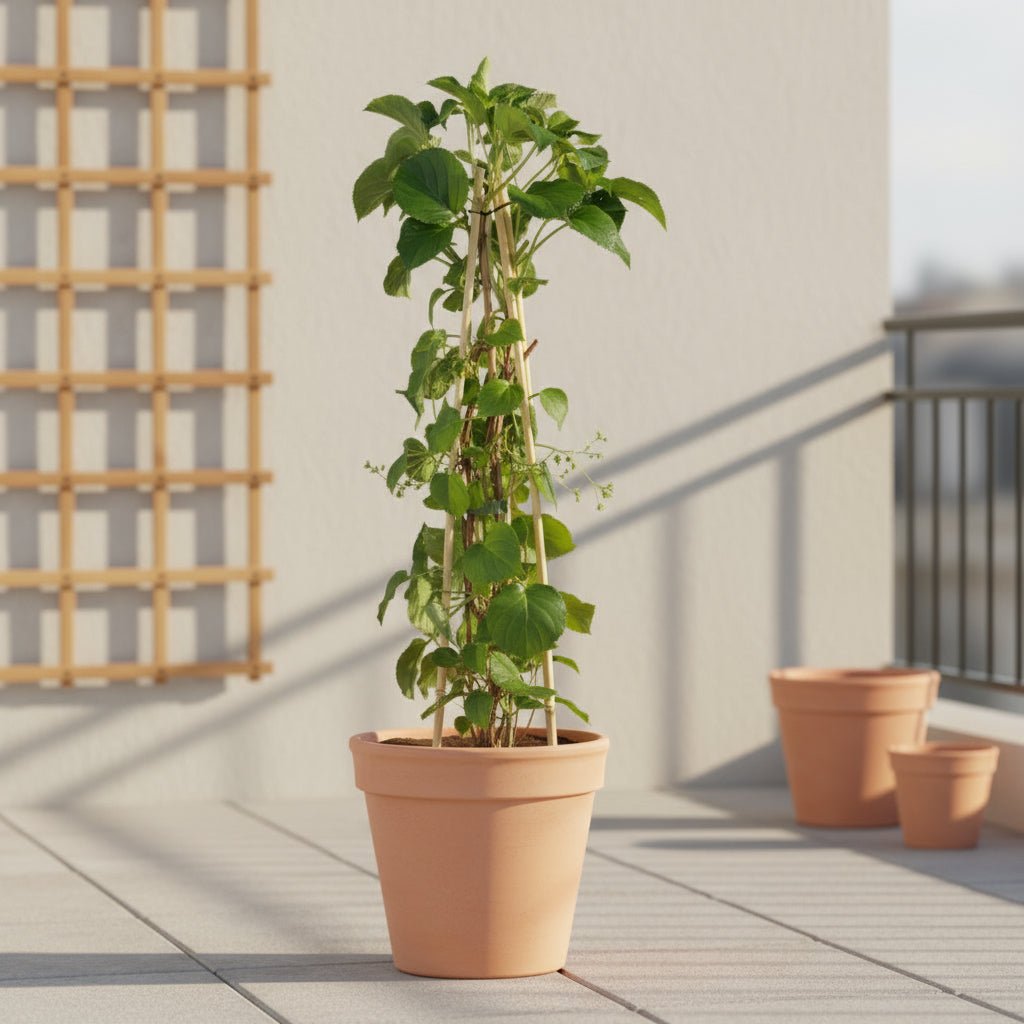

🌸 Large white umbels in May-June • 🌿 Clings to walls on its own • 🌑 Partial shade to shade • ❄️ Very hardy • 📏 H65 cm | Pot Ø15 cm
Hydrangea petiolaris, or Climbing Hydrangea, is a climber native to East Asia with large delicate white umbels that bloom in May-June. Its special feature: it clings to walls on its own thanks to its root holdfasts, without stakes or ties, and thrives in shaded areas where few climbers dare to flower.
Very hardy, deciduous, and resistant to the harshest winters — it develops spectacular strength and spread over the years.
Exposure & Location
The climbing hydrangea is one of the few climbers to flower generously in the shade — this is its main advantage. It tolerates partial shade and even light shade, making it ideal for north- or east-facing facades, shaded courtyards, and balconies that never get sun. Its root holdfasts allow it to naturally adhere to rough surfaces without any assistance.
- Exposure: partial shade to shade — perfect for north or east facades.
- Support: rough stone, brick, or concrete walls — the holdfasts attach themselves.
- Soil: rich, fresh, and well-drained.
- Hardiness: excellent — withstands harsh winters and frost.
Beware of fragile painted or plastered surfaces — its root holdfasts can mark plaster when detached, like those of Parthenocissus. Prefer stone, brick, or raw concrete walls.
Watering & Care
The climbing hydrangea prefers consistently moist soil — even more so in pots exposed to summer heat. Water regularly and mulch generously at the base. Adding compost or hydrangea fertilizer in spring supports flowering. If leaves yellow outside of autumn, check substrate moisture and drainage.
- Watering: regular — substrate constantly moist, never waterlogged.
- Mulching: essential in pots to keep cool in summer.
- Pruning: light after flowering to control growth — no heavy pruning.
- Fertilizer: compost or special hydrangea fertilizer in spring.
Be patient the first few years — the climbing hydrangea is slow to start but once well-rooted it gains spectacular vigor and can cover several square meters of facade.
Decor Ideas & Plant Pairings
The climbing hydrangea transforms the darkest shady corners into elegant plant displays. Its large white umbels bring light and freshness where other plants refuse to flower.
- To enliven the base of a permanently shaded wall, Asplenium Nidus with its broad, smooth rosette foliage perfectly complements the climbing hydrangea — two shade plants with very contrasting foliage for a fully green shaded corner.
- To dress a north-facing wall with two textures, Parthenocissus henryana pairs naturally — its silver and purple deciduous foliage complements the white umbels of the hydrangea on the same wall for a richly textured and colorful plant curtain.
- For a year-round backdrop, the evergreen Lonicera henryi dresses the wall in winter when the hydrangea loses its leaves — two complementary climbers that cover the support all year.
- For a hydrangea composition, the Hydrangea 'Strong Annabelle' with white ball-shaped flowers complements the climbing petiolaris on the ground — two different white florals in the same family for a fully planted terrace or courtyard corner.
Verdeia Tips
- Accept no flowering for the first three years: the climbing hydrangea spends its first years developing its root system — flowering then arrives with a scale and generosity proportional to the patience invested.
- Plant it in rich, humus-rich soil: a mix of potting soil and compost with thick mulch at the base reproduces the moist understory conditions it originates from — this is the main condition for vigorous growth and abundant flowering.
- Propagate by cuttings in summer: take semi-woody stems in July-August and root them in a moist substrate in the shade — this is the easiest way to get new identical plants at no cost.
Technical Specifications
- Botanical name: Hydrangea petiolaris
- Common name: Climbing Hydrangea
- Origin: East Asia
- Dimensions on delivery: H65 cm | Pot Ø15 cm
- Adult size: up to 8 to 10 m with support
- Exposure: partial shade to shade
- Watering: regular — moist substrate
- Flowering: May to June
- Foliage: deciduous
- Hardiness: very hardy
- Care: moderate
- Toxicity to animals: toxic to cats and dogs
- Decorative style: Romantic / Shade garden / Urban nature
Each plant is unique: photos show an example of its appearance. Leaf density and umbel size naturally vary with age and growing conditions.

Your plant, delivered with care
Every plant is hand-packed in a box specially designed for plants — secured, protected, ready to travel. It arrives in perfect condition, roots intact and foliage preserved, ready to take its place in your home.
Our Verdeia commitments
FAQ – Everything to know before adopting your Verdeia plant
How are my plants prepared before shipping?
All our plants are selected from our European partner nurseries. Before shipping, they are watered, cleaned, and protected with breathable, secure packaging. Each package is designed to ensure your plant arrives in perfect health, without any transport-related stress.
Will the plant look exactly like the photo?
The photos accurately represent the variety and the stated size. Since each plant is unique, slight differences in shape, foliage, or color may occur — and that’s part of their charm.
What are the delivery times and conditions?
Shipping is done within 48 business hours, with tracked delivery within 2 to 5 business days. Delivery costs €5.60 — free for orders over €50. You will receive a tracking link as soon as the package is shipped.
What to do upon receiving my plant?
Open your package as soon as you receive it and carefully remove the plant from its packaging. Let it acclimate for 24 hours in its new environment before watering. If it has been slightly stressed during transport, it will recover its shape after one or two days in the light.
What to do if my plant arrives damaged?
Contact us within 48 hours with a photo of the issue. Our team will assess the situation and offer you the best solution: replacement, partial refund, or recovery advice.
Can I return a plant?
Since plants are living beings, standard returns are not possible. However, we guarantee good health upon delivery: if the plant arrives damaged, it will be replaced free of charge. For any other cases (order error, decorative pot, accessory), returns are possible within 14 days.