



Ribes rubrum 'Jonkheer van Tets' (Organic red currant) — H45 cm | Pot Ø13 cm
- Regular price
-
€26,95 - Regular price
-
- Sale price
-
€26,95
Couldn't load pickup availability
Frequently Asked Questions
Can the 'Jonkheer van Tets' currant bush produce fruit on its own? Yes, it is a self-fertile variety — but having another currant bush nearby significantly improves the volume and size of the clusters produced each summer.
Can you grow a currant bush in a pot on a balcony? Yes, in a well-drained container at least 20 to 30 cm deep — keep the soil moist during flowering and fruiting, and mulch generously around the base to protect the roots from intense summer heat.
SHIPPING & PACKAGING
Shipping within 24/48 hours via DPD
- Delivery in 2 to 5 business days
- Eco-friendly packaging: recyclable boxes and biodegradable materials
- Special protection to ensure the plant arrives in perfect condition
- Parcel tracking sent by email as soon as shipped
- Free delivery on orders over €50
48H QUALITY GUARANTEE
We guarantee that your plants will arrive in perfect condition. If your plant arrives damaged or in poor condition:
- Contact us within 48 hours at hello@verdeia.eu with photos
- Free replacement or full refund
- No return necessary – we trust you
The guarantee covers: damage related to transport, severely weakened plant upon arrival, preparation errors.
CARE TIPS UPON ARRIVAL
To help your plant settle in for the long term:
- Unpack immediately and inspect your plant
- Let it acclimatize 24-48h in a bright spot without direct sunlight
- Check soil moisture before watering (dry surface = light watering)
- Wait 2-3 weeks before repotting
- Avoid heat sources and drafts
- Gently wipe leaves to remove dust
Need help? Contact our team at hello@verdeia.eu or via chat.
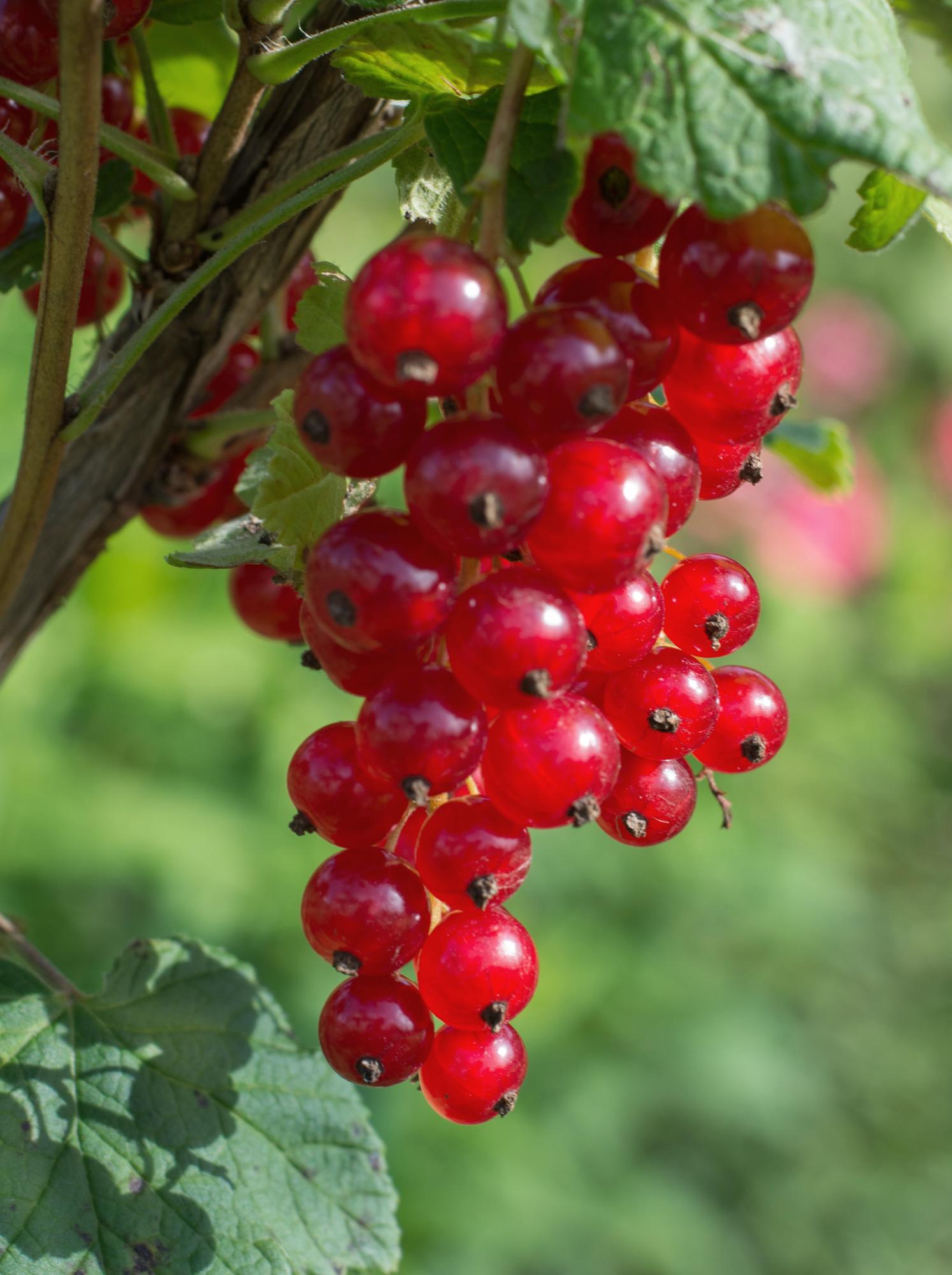

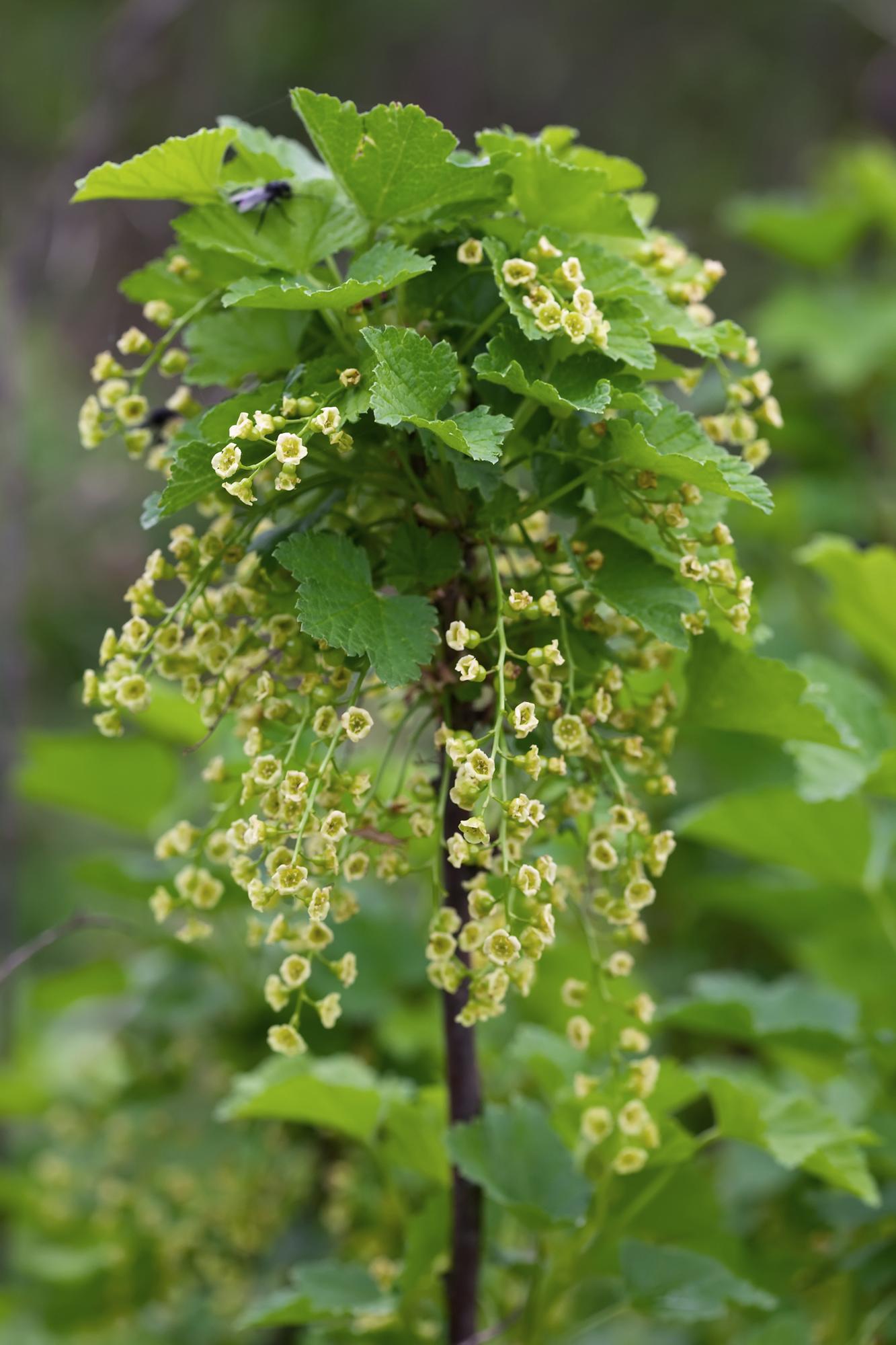
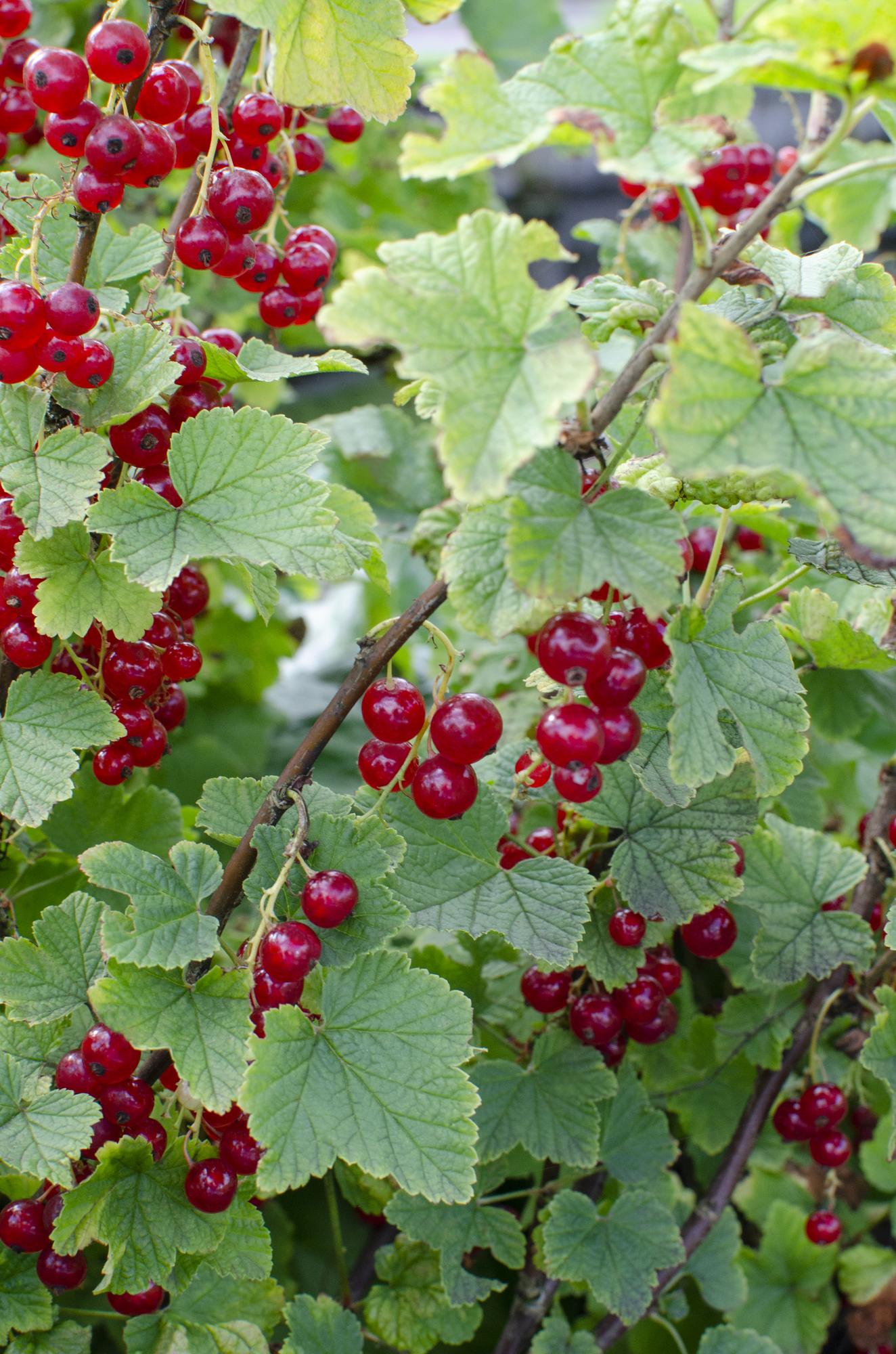
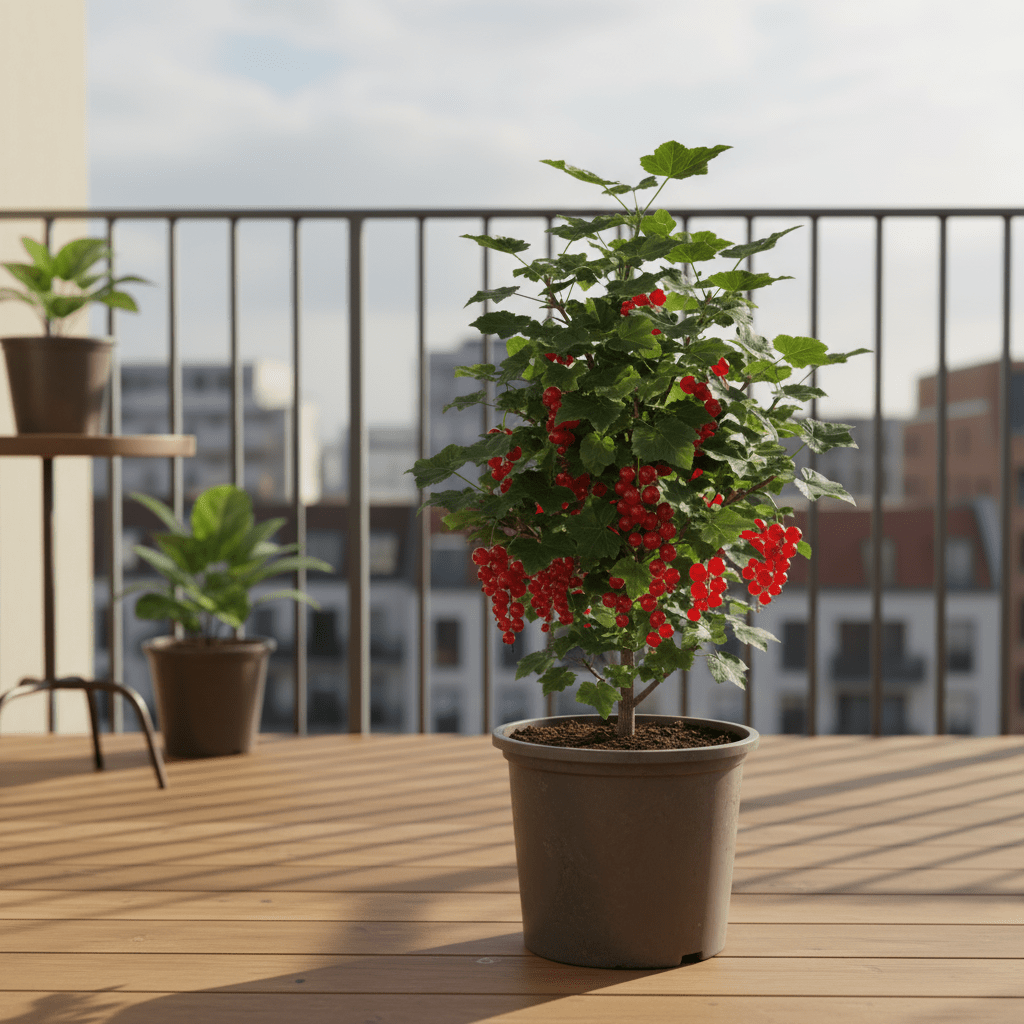

🍒 Long clusters of translucent red currants • 🌸 Spring flowering • ☀️ Gentle sun to partial shade • ❄️ Very hardy • 🐾 Non-toxic • 📏 H45 cm | Pot Ø13 cm
Ribes rubrum 'Jonkheer van Tets' is an organic red currant native to the Netherlands, known for its earliness and the quality of its fruit. Its long clusters of shiny, translucent red currants appear from June — as decorative as they are tasty, with a perfect balance of sweetness and acidity.
Self-fertile and very hardy, it thrives equally well in a pot on a terrace or planted in the ground in a small garden.
Exposure & Location
The 'Jonkheer van Tets' currant prefers a bright spot without the harsh afternoon sun. It tolerates cold very well and thrives in rich, cool, well-drained soils. The brighter the exposure, the more numerous and sweeter the fruits will be.
- Exposure: gentle sun to partial shade — avoid full afternoon sun in summer.
- In a pot: container at least 20 to 30 cm in diameter, deep and well-drained.
- Soil: fertile, cool, and slightly acidic.
- Pollination: self-fertile, but more productive with another currant nearby.
Keep the substrate moist throughout flowering and fruiting — water stress at this time causes premature dropping of clusters before maturity.
Watering & Care
The currant appreciates regular watering without excess, especially during flowering in April-May and fruit formation in June-July. Add compost or organic fertilizer in spring. If leaves yellow out of season, it is almost always due to nutrient deficiency or overwatering — adjust watering and add organic amendment.
- Watering: regular — keep substrate moist but never waterlogged.
- Mulching: organic mulch at the base to retain moisture and protect from heat.
- Pruning: after harvest, remove branches that have fruited to renew productive shoots.
- Flowering: April to May, harvest from June to July.
Consistent but moderate watering ensures larger, tastier fruits — a substrate that alternates between very dry and waterlogged produces small, less sweet currants.
Decor Ideas & Plant Combinations
The 'Jonkheer van Tets' currant adds a colorful and delicious touch to urban terraces and gardens — the contrast between its bright green foliage and translucent red clusters is striking at harvest.
- For a red and blue duo, the organic blueberry 'Reka' is the perfect companion — its bluish-purple berries and red currants ripen around the same time for a very decorative two-tone fruit display on a sunny terrace.
- To expand the range of small red fruits, the organic raspberry 'Malling Promise' complements perfectly — raspberries, currants, and blueberries cover the entire summer season for a highly productive terrace vegetable garden.
- To add blackberries to the harvest, the thornless blackberry 'Black Satin' finishes the season in August-September — a quartet of organic small fruits on just a few square meters of terrace.
- For a large exotic fruit addition, the Blackcurrant 'Little Black Sugar' brings its compact and very fragrant black currants — two Ribes species with radically different fruits to diversify harvests and uses.
Verdeia Tips
- Harvest whole clusters at full maturity: wait until all the currants in a cluster are fully red before cutting — harvesting too early results in sour, less sweet fruit, unlike clusters picked when the berries detach easily.
- Mulch generously at the base in summer: the currant suffers from heat and summer drought — a 5 to 8 cm layer of wood chips keeps the substrate cool and maintains steady production even in July-August.
- Prune after harvest to propagate shoots: shoots removed after fruiting root very easily in autumn — a simple way to multiply the plant and expand the terrace fruit garden.
Technical Specifications
- Botanical name: Ribes rubrum 'Jonkheer van Tets'
- Common name: Organic red currant
- Origin: Netherlands (horticultural selection)
- Size at delivery: H45 cm | Pot Ø13 cm
- Adult size: 1 to 1.2 m
- Exposure: gentle sun to partial shade
- Watering: regular — moist, well-drained substrate
- Flowering: April to May
- Harvest: June to July
- Hardiness: very hardy
- Care: moderate
- Toxicity to animals: non-toxic
- Decorative style: Edible garden / Fruit balcony / Urban nature
Each plant is unique: photos show an example of its appearance. Leaf density and fruit production naturally vary depending on exposure and growing conditions.

Your plant, delivered with care
Every plant is hand-packed in a box specially designed for plants — secured, protected, ready to travel. It arrives in perfect condition, roots intact and foliage preserved, ready to take its place in your home.
Our Verdeia commitments
FAQ – Everything to know before adopting your Verdeia plant
How are my plants prepared before shipping?
All our plants are selected from our European partner nurseries. Before shipping, they are watered, cleaned, and protected with breathable, secure packaging. Each package is designed to ensure your plant arrives in perfect health, without any transport-related stress.
Will the plant look exactly like the photo?
The photos accurately represent the variety and the stated size. Since each plant is unique, slight differences in shape, foliage, or color may occur — and that’s part of their charm.
What are the delivery times and conditions?
Shipping is done within 48 business hours, with tracked delivery within 2 to 5 business days. Delivery costs €5.60 — free for orders over €50. You will receive a tracking link as soon as the package is shipped.
What to do upon receiving my plant?
Open your package as soon as you receive it and carefully remove the plant from its packaging. Let it acclimate for 24 hours in its new environment before watering. If it has been slightly stressed during transport, it will recover its shape after one or two days in the light.
What to do if my plant arrives damaged?
Contact us within 48 hours with a photo of the issue. Our team will assess the situation and offer you the best solution: replacement, partial refund, or recovery advice.
Can I return a plant?
Since plants are living beings, standard returns are not possible. However, we guarantee good health upon delivery: if the plant arrives damaged, it will be replaced free of charge. For any other cases (order error, decorative pot, accessory), returns are possible within 14 days.