

Easy plants to propagate in the water | Verdeia
31 products
-

 Monstera Deliciosa (Swiss cheese plant)Monstera Deliciosa (Swiss cheese plant)
- Regular price
-
€29,95 €91,95 - Regular price
-
- Sale price
-
€29,95 €91,95
Quick view
-

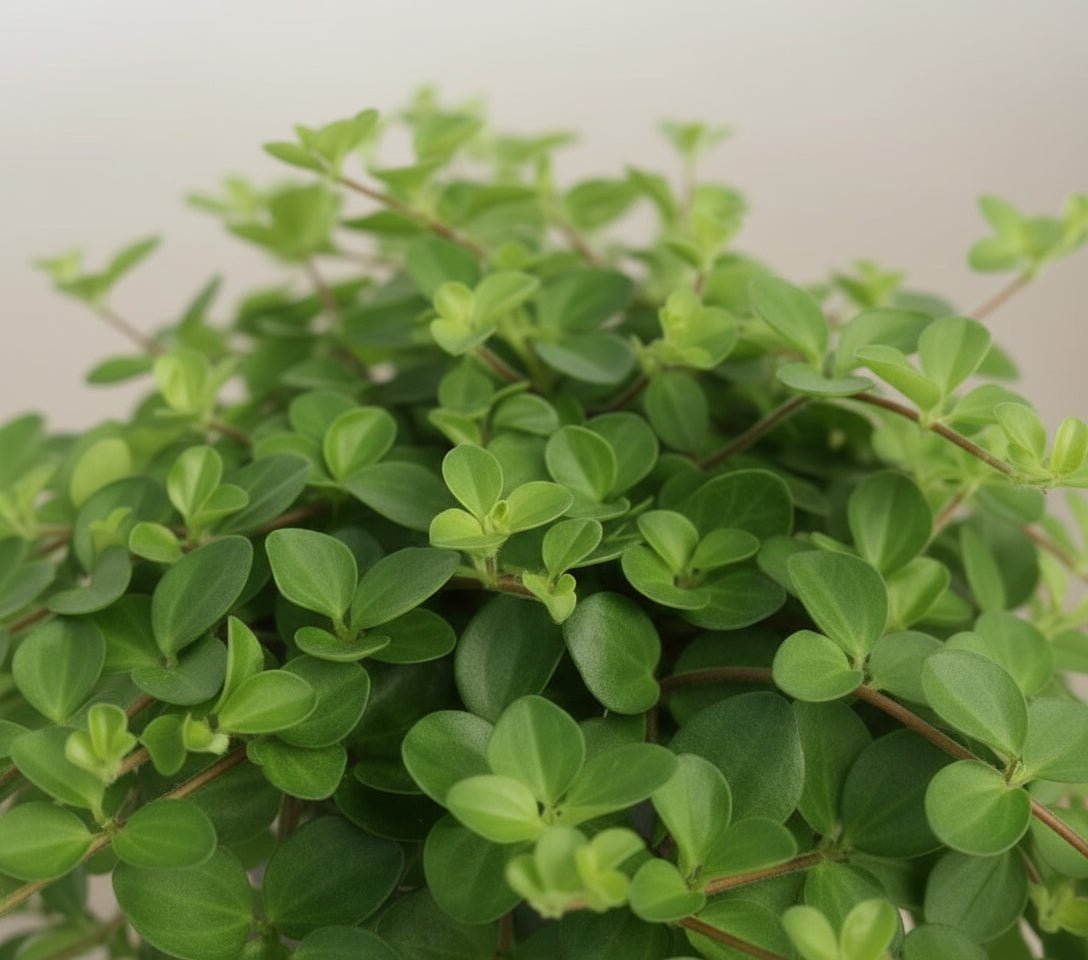 Peperomia Rotundifolia (Trailing jade)Peperomia Rotundifolia (Trailing jade)
- Regular price
-
€26,95 €34,95 - Regular price
-
- Sale price
-
€26,95 €34,95
Quick view
-

 Chlorophytum comosum 'Variegatum' (Variegated spider plant)Chlorophytum comosum 'Variegatum' (Variegated spider plant)
- Regular price
-
€24,95 €56,95 - Regular price
-
- Sale price
-
€24,95 €56,95
Quick view
-

 Pilea Peperomioides (Chinese money plant)Pilea Peperomioides (Chinese money plant)
- Regular price
-
€26,95 €37,95 - Regular price
-
- Sale price
-
€26,95 €37,95
Quick view
-

 Ficus Elastica Robusta (Rubber plant)Ficus Elastica Robusta (Rubber plant)
- Regular price
-
€25,95 - Regular price
-
- Sale price
-
€25,95
Quick view
-

 Ceropegia woodii (String of hearts) - H50 cm | Pot Ø14 cmCeropegia woodii (String of hearts) - H50 cm | Pot Ø14 cm
- Regular price
-
€37,95 - Regular price
-
- Sale price
-
€37,95
Quick view
-

 Pilea depressa — H15 cm | Pot Ø10.5 cmPilea depressa — H15 cm | Pot Ø10.5 cm
- Regular price
-
€25,95 - Regular price
-
- Sale price
-
€25,95
Quick view
-

 Hatiora salicornioides (Coral Easter Cactus) H15 cm | Pot Ø12 cmHatiora salicornioides (Coral Easter Cactus) H15 cm | Pot Ø12 cm
- Regular price
-
€27,95 - Regular price
-
- Sale price
-
€27,95
Quick view
-

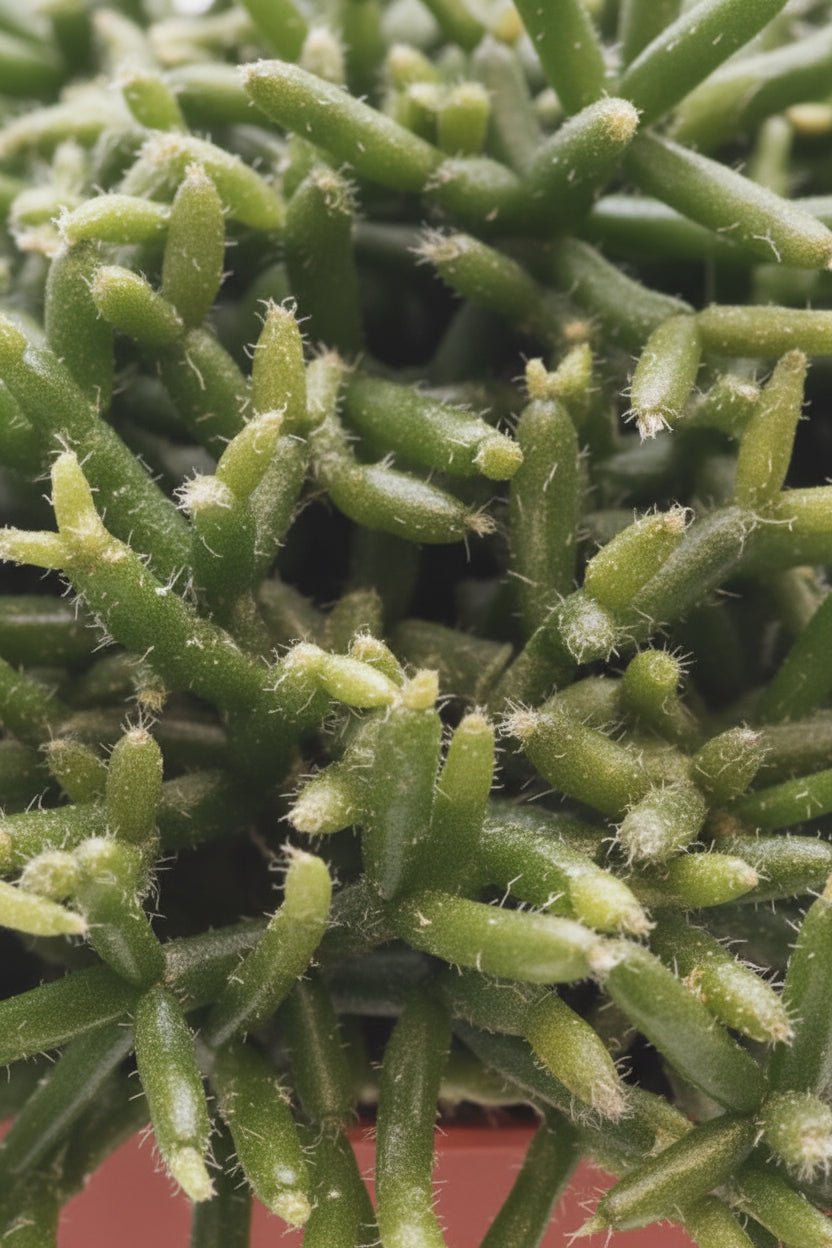 Rhipsalis burchellii (Mistletoe cactus) — H20 cm | Pot Ø12 cmRhipsalis burchellii (Mistletoe cactus) — H20 cm | Pot Ø12 cm
- Regular price
-
€26,95 - Regular price
-
- Sale price
-
€26,95
Quick view
-

 Senecio herreianus (Oval Pearl Necklace) — H20 cm | Pot Ø12 cmSenecio herreianus (Oval Pearl Necklace) — H20 cm | Pot Ø12 cm
- Regular price
-
€32,95 - Regular price
-
- Sale price
-
€32,95
Quick view
-

 Peperomia angulata Rocca Verde - H15 cm | Pot Ø11 cmPeperomia angulata Rocca Verde - H15 cm | Pot Ø11 cm
- Regular price
-
€26,95 - Regular price
-
- Sale price
-
€26,95
Quick view
-

 Syngonium Red Heart (Syngonium pink heart) H30 cm | Pot Ø14 cmSyngonium Red Heart (Syngonium pink heart) H30 cm | Pot Ø14 cm
- Regular price
-
€30,95 - Regular price
-
- Sale price
-
€30,95
Quick view


Propagating plants means multiplying them for free — a cut stem, a glass of water, a few weeks of patience, and a new plant appears with its own roots. It's also one of the most addictive pleasures of indoor gardening: once you've successfully propagated your first Pothos, you want to propagate everything in sight. This selection brings together the easiest species to propagate, the ones that root almost every time.
Pothos and Scindapsus: the kings of water propagation
The Pothos (Epipremnum) is the easiest plant in the world to propagate. Cut a stem just below a node (the small bump where aerial roots grow), put it in a glass of water, and white roots appear in 7 to 10 days. The golden Golden Pothos, the marbled Marble Queen, the variegated N'Joy and the silver Scindapsus pictus all propagate with the same near-perfect success rate. The Surprise set of 6 Epipremnum offers six different varieties to propagate — enough to build an entire collection from a single purchase. Our complete propagation guide details each step with the exact techniques for success.
Tradescantia and Callisia: roots in 5 days
Our Tradescantia are the fastest-rooting plants — sometimes in less than a week in water. The purple Zebrina Purpusii, the golden Yellow Hill, the pink Brightness, and the variegated Sweetness all produce roots at every stem node. Callisia (Repens, Rosato, Turtle) do the same: every stem fragment placed on moist soil roots spontaneously. Our easy-care plants include many species that propagate just as easily — they're the ideal plants for sharing cuttings with friends — a piece of stem in a small pot is all it takes.
Philodendron: elegant propagation
The Philodendron scandens (heart vine) and Philodendron Brasil propagate exactly like Pothos — a stem cut below a node and placed in water. Philodendron micans (velvet) with its iridescent bronze leaves produces particularly beautiful cuttings. Philodendron Birkin also propagates but a bit more slowly. Philodendron Imperial Green and Philodendron Imperial Red propagate by cutting a stem with a node and a leaf — results take 3 to 4 weeks but the success rate remains high.
Pilea and Chlorophytum: plants that propagate themselves
The Pilea peperomioides (Chinese money plant) does not propagate in the classic sense — it spontaneously produces offsets at its base, mini-plants with their own roots that just need to be separated and repotted. A single mother plant can produce 5 to 10 offsets per year. Pilea Mojito and Pilea Sugar do the same. Chlorophytum (spider plant) produces stolons at the ends of which grow already rooted plantlets — just cut them and place them on soil to get a new plant immediately. Pilea are probably the most generous plants in the catalog in terms of multiplication.
Monstera and Begonia: spectacular cuttings
The Monstera adansonii propagates easily in water — its nodes produce aerial roots that develop quickly. Monstera deliciosa propagates the same way but the cuttings are larger and more impressive: a single fenestrated leaf in a clear vase is a decorative object in itself during rooting. Begonia maculata (angel wing) propagates by cutting a stem below a node — roots appear in 2 to 3 weeks in water and each cutting reproduces the silver polka dot pattern of the mother plant.
Ceropegia and Syngonium: propagating trailing plants
The Ceropegia woodii (string of hearts) propagates in two ways: by placing a stem section on moist soil (nodes produce roots on contact with the substrate as detailed in the yellow leaves guide if the cutting shows signs of stress), or by cutting a segment with an aerial tuber and planting it directly. Syngonium (Arrow, Neon, Pixie, Golden) propagate in water like Pothos — a stem with a node is enough. Trailing plants are generally the easiest to propagate because their long stems offer many cutting points.
Succulents and epiphytic cacti: dry propagation
The Senecio herreianus (string of pearls) and Senecio scaposus propagate by placing a stem section on dry, well-drained substrate — not in water. Rhipsalis and Hatiora (coral cactus) propagate by breaking a segment and letting it dry for 24 hours before planting. Ficus elastica (Robusta, Abidjan) propagates with a leaf and a stem segment — the cutting takes longer (6 to 8 weeks) but the result is a robust and vigorous plant. Original and rare plants like Epipremnum pinnatum Albo Variegata also propagate, with a spectacular bonus: each variegated cutting is unique.