

Easy plants for beginners – stress-free jungle
99 products
-

 Ficus microcarpa 'Moclame' — H110 cm | Pot Ø23 cmFicus microcarpa 'Moclame' — H110 cm | Pot Ø23 cm
- Regular price
-
€76,95 - Regular price
-
- Sale price
-
€76,95
Quick view
-

 Araucaria heterophylla (Norfolk Pine)Araucaria heterophylla (Norfolk Pine)
- Regular price
-
€49,95 - Regular price
-
- Sale price
-
€49,95
Quick view
-

 Miniature succulent mix — H5–10 cm | Pot Ø5.5 cmMiniature succulent mix — H5–10 cm | Pot Ø5.5 cm
- Regular price
-
€22,95 €50,95 - Regular price
-
- Sale price
-
€22,95 €50,95
Quick view
-

 Pachira aquatica (Money Tree)Pachira aquatica (Money Tree)
- Regular price
-
€32,95 €73,95 - Regular price
-
- Sale price
-
€32,95 €73,95
Quick view
-

 Monstera Deliciosa (Swiss Cheese Plant)Monstera Deliciosa (Swiss Cheese Plant)
- Regular price
-
€29,95 €91,95 - Regular price
-
- Sale price
-
€29,95 €91,95
Quick view
-

 Branched Ficus lyrata (Fiddle Leaf Fig)Branched Ficus lyrata (Fiddle Leaf Fig)
- Regular price
-
€126,95 €165,95 - Regular price
-
- Sale price
-
€126,95 €165,95
Quick view
-

 Yucca elephantipes (Indoor Yucca)Yucca elephantipes (Indoor Yucca)
- Regular price
-
€30,95 €82,95 - Regular price
-
- Sale price
-
€30,95 €82,95
Quick view
-

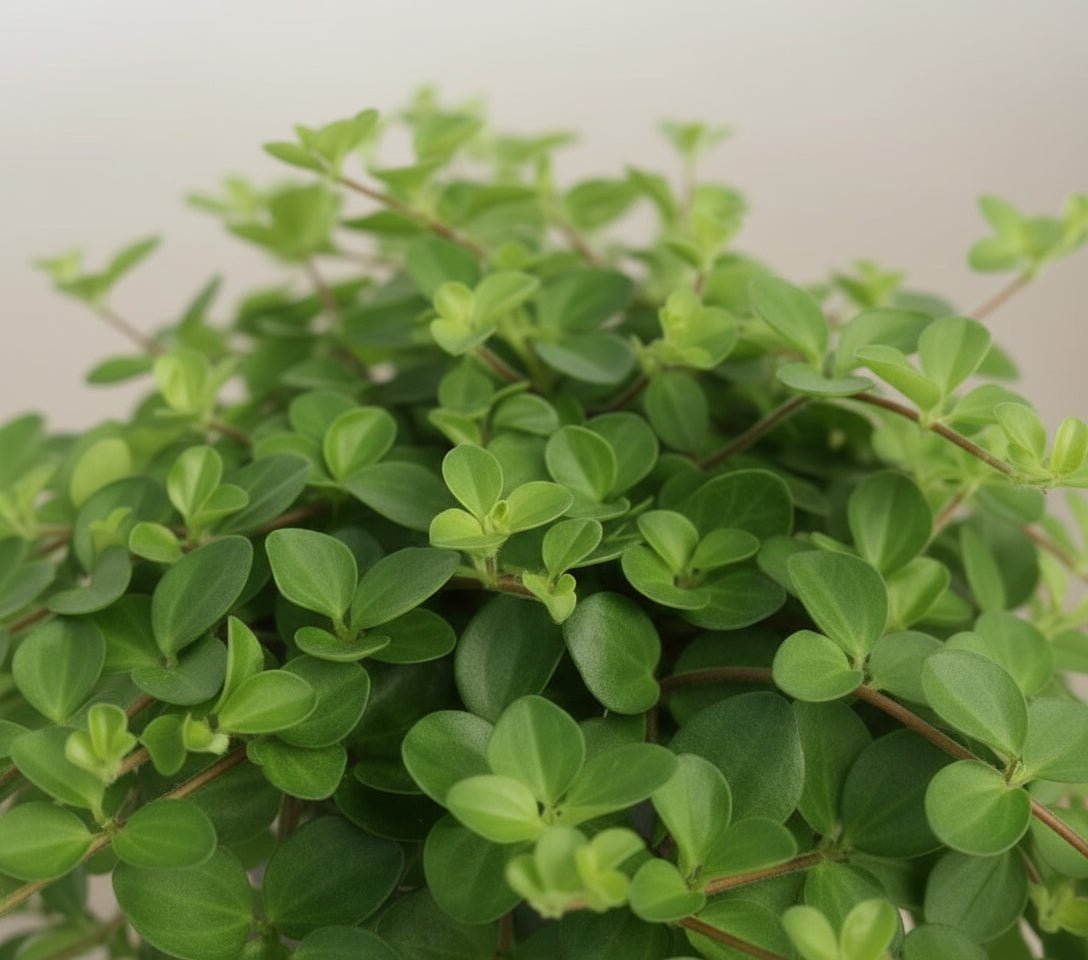 Peperomia Rotundifolia (Jade Necklace)Peperomia Rotundifolia (Jade Necklace)
- Regular price
-
€26,95 €34,95 - Regular price
-
- Sale price
-
€26,95 €34,95
Quick view
-

 Polyscias fruticosa 'Hawaiiana Ming' (Fine-leaved Aralia)Polyscias fruticosa 'Hawaiiana Ming' (Fine-leaved Aralia)
- Regular price
-
€42,95 - Regular price
-
- Sale price
-
€42,95
Quick view
-

 Clematis 'Nubia' (Red remontant clematis) H65 cm | Pot Ø15 cmClematis 'Nubia' (Red remontant clematis) H65 cm | Pot Ø15 cm
- Regular price
-
€36,95 - Regular price
-
- Sale price
-
€36,95
Quick view
-

 Pilea Peperomioides (Chinese Money Plant)Pilea Peperomioides (Chinese Money Plant)
- Regular price
-
€26,95 €37,95 - Regular price
-
- Sale price
-
€26,95 €37,95
Quick view
-

 Phlebodium aureum 'Blue Star' (Blue Fern)Phlebodium aureum 'Blue Star' (Blue Fern)
- Regular price
-
€24,95 €78,95 - Regular price
-
- Sale price
-
€24,95 €78,95
Quick view


Plants for Beginners: Easy to Grow According to Your Light Conditions
Choosing the right beginner plant starts with observing the light available in your space. Sansevierias thrive even in low-light corners, perfect for offices or north-facing rooms. For brighter spaces, Pilea and Chlorophytum offer fast and generous growth. If you have good indirect light, these varieties will add an exotic touch to your interior. For even more options, explore our collection of ultra-resilient hardy plants.
Plants for Low-Light Spaces
- Sansevieria (mother-in-law's tongue): extremely hardy, water monthly
- Pothos: fast-growing, effectively purifies the air
- Zamioculcas: tolerates neglect, shiny foliage
Plants for Medium to Bright Light
- Monstera deliciosa: decor icon, spectacular growth
- Pilea peperomioides: compact, easy to propagate
- Chlorophytum: tough as nails, produces baby plants
Beginner Plants According to Watering Needs
Watering is often the main concern for beginners. Good news: some plants are especially tolerant. Succulents and cacti require very little water, ideal if you travel often. Sansevierias and Zamioculcas store water in their tissues and can go several weeks without watering. Conversely, if you enjoy regularly caring for your plants, Spathiphyllums clearly signal when they’re thirsty by dropping their leaves.
To avoid overwatering, always check the soil moisture before watering by pressing your finger 3-4 cm deep. If the soil is still damp, wait a few days. A pot with drainage is essential to prevent root rot.
Verdeia Expert Tips to Succeed with Your First Plants
After years of supporting thousands of urban gardeners, we’ve identified the most common mistakes. Overwatering remains the number one cause of indoor plant death. It’s better to water too little than too often. Watch your plant: yellowing leaves usually indicate too much water, while browning leaf tips signal low humidity.
Light is the second key factor. Place your plants within 2 meters of a window to ensure enough light, except for shade-loving varieties. Rotate your plants a quarter turn each week for even growth. If you want to create a true urban jungle, also check out our selection of large XXL plants that make a spectacular statement. Finally, don’t rush to repot: most plants prefer to be slightly root-bound.
Frequently Asked Questions
What is the easiest plant for an absolute beginner?
Sansevieria (mother-in-law’s tongue) is the easiest plant to start with. It tolerates neglect, survives with monthly watering, adapts to almost any light condition, and purifies the air. Practically indestructible, it forgives all beginner mistakes.
How often should I water my indoor plants?
Watering frequency depends on each plant, but generally every 1 to 2 weeks is enough. Always check soil moisture before watering. In winter, reduce watering by half as plants go dormant. Too much water kills more plants than too little.
Can my plants survive if I go on vacation?
Yes, most beginner plants easily survive 2 to 3 weeks without watering. Water them well before you leave, keep them away from direct sunlight, and group them together to maintain humidity. Pothos, Sansevierias, and Zamioculcas are especially resilient to extended absences.
How much light do my plants need?
Beginner plants generally adapt to medium indirect light, about 2 to 4 hours of natural light per day. Avoid direct sunlight which can burn leaves. If your plants are stretching (long, thin stems), move them closer to a window. An east- or west-facing window is ideal. For more information, see our guide to easy-care plants for city dwellers.
Should I fertilize my plants and how often?
Fertilize your plants once a month from April to September with a liquid fertilizer diluted by half. Stop fertilizing completely in autumn and winter as plants rest. Too much fertilizer burns roots; it’s better to under-fertilize than overdo it.
How do I know if my plant is healthy?
A healthy plant has firm, shiny, evenly colored leaves and steady growth. Check for pests under leaves, firmness of stems, and new leaf growth during the growing season. Occasional leaf drop is normal.
Are my plants toxic to pets?
Some beginner plants like Pothos, Monstera, and Sansevierias are toxic to cats and dogs if ingested. If you have curious pets, choose from our collection of pet-safe plants. When in doubt, place your plants out of reach.
When should I repot my plant?
Repot your plants every 2 to 3 years in spring, or when roots come out of the drainage holes. Choose a pot only 2-3 cm wider than the current one. A pot that’s too large retains too much moisture and encourages rot. Spring is ideal because plants enter active growth.
Why are my plant’s leaves turning yellow?
Yellowing leaves usually indicate overwatering or lack of light. Make sure the soil dries out between waterings and that your plant gets enough natural light. A few yellow leaves occasionally are normal, especially older ones at the base.