

Indoor plants for low light
204 products
-

 Araucaria heterophylla (Norfolk Pine)Araucaria heterophylla (Norfolk Pine)
- Regular price
-
€49,95 - Regular price
-
- Sale price
-
€49,95
Quick view
-

 Trio Pink is the New Green — Syngonium, Aglaonema & Pink PhilodendronTrio Pink is the New Green — Syngonium, Aglaonema & Pink Philodendron
- Regular price
-
€30,95 - Regular price
-
- Sale price
-
€30,95
Quick view
-

 Lonicera japonica 'Halliana' (Fragrant white honeysuckle) — H65 cm | Pot Ø15 cmLonicera japonica 'Halliana' (Fragrant white honeysuckle) — H65 cm | Pot Ø15 cm
- Regular price
-
€29,95 - Regular price
-
- Sale price
-
€29,95
Quick view
-

 Aspidistra elatior (Japanese mother-in-law's tongue)Aspidistra elatior (Japanese mother-in-law's tongue)
- Regular price
-
€41,95 €64,95 - Regular price
-
- Sale price
-
€41,95 €64,95
Quick view
-

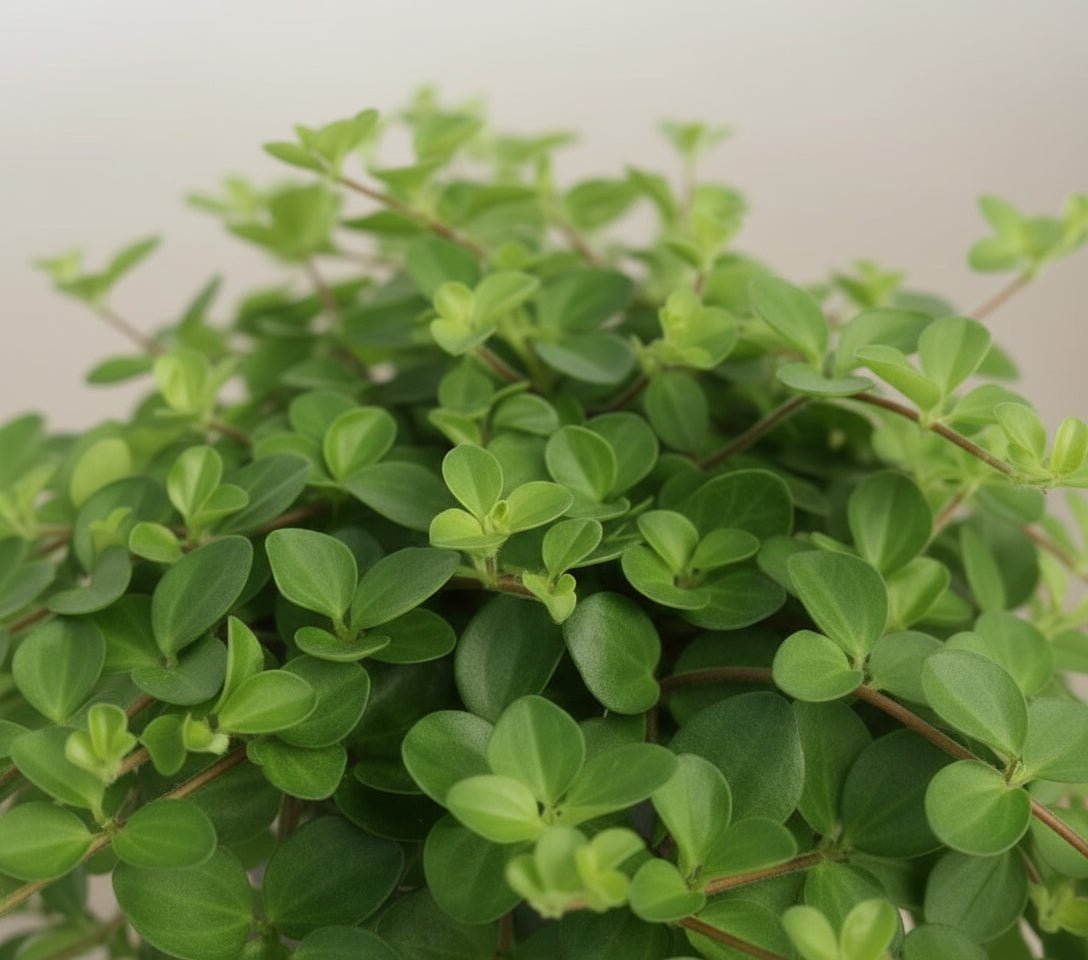 Peperomia Rotundifolia (Jade Necklace)Peperomia Rotundifolia (Jade Necklace)
- Regular price
-
€26,95 €34,95 - Regular price
-
- Sale price
-
€26,95 €34,95
Quick view
-

 Trachelospermum 'Star of Ibiza' (Pink Star Jasmine) — H65 cm | Pot Ø15 cmTrachelospermum 'Star of Ibiza' (Pink Star Jasmine) — H65 cm | Pot Ø15 cm
- Regular price
-
€34,95 - Regular price
-
- Sale price
-
€34,95
Quick view
-

 Nephrolepis exaltata 'Green Lady' (Boston Fern)Nephrolepis exaltata 'Green Lady' (Boston Fern)
- Regular price
-
€27,95 €45,95 - Regular price
-
- Sale price
-
€27,95 €45,95
Quick view
-

 Euphorbia trigona (Candelabra tree) — H70 cm | Pot Ø17 cmEuphorbia trigona (Candelabra tree) — H70 cm | Pot Ø17 cm
- Regular price
-
€38,95 - Regular price
-
- Sale price
-
€38,95
Quick view
-

 Phlebodium aureum 'Blue Star' (Blue Fern)Phlebodium aureum 'Blue Star' (Blue Fern)
- Regular price
-
€24,95 €78,95 - Regular price
-
- Sale price
-
€24,95 €78,95
Quick view
-

 Hydrangea arborescens 'Strong Annabelle'® (white ball hydrangea) — H30 cm | Pot Ø19 cmHydrangea arborescens 'Strong Annabelle'® (white ball hydrangea) — H30 cm | Pot Ø19 cm
- Regular price
-
€43,95 - Regular price
-
- Sale price
-
€43,95
Quick view
-

 Trachelospermum 'Star of Toscana' (Yellow Star Jasmine) — H65 cm | Pot Ø15 cmTrachelospermum 'Star of Toscana' (Yellow Star Jasmine) — H65 cm | Pot Ø15 cm
- Regular price
-
€34,95 - Regular price
-
- Sale price
-
€34,95
Quick view
-

 Cissus rhombifolia Ellen Danica (Indoor vine) - H70 cm | Pot Ø17 cmCissus rhombifolia Ellen Danica (Indoor vine) - H70 cm | Pot Ø17 cm
- Regular price
-
€45,95 - Regular price
-
- Sale price
-
€45,95
Quick view


Indoor plants suited for low-light environments make it easy to add greenery to rooms where natural light is limited. Some species are particularly tolerant and can thrive in spaces far from windows.
These plants are ideal for urban apartments, offices, or north-facing rooms where brightness is lower.
Which plants to choose for a low-light room?
Some indoor plants are naturally adapted to shaded environments. They often come from tropical forests where they grow in the shade of tall trees.
Among popular plants for low-light spaces are certain varieties of Pilea and Zamioculcas as well as some Calathea and Maranta, appreciated for their decorative foliage.
Plants suited to different rooms
Plants that tolerate low light can easily be placed in various rooms of the house. They are especially suitable for a bedroom, an office, or a hallway that receives little natural light.
They can also complement a selection of small indoor plants to create a subtle yet elegant green decoration.
How to care for plants with little light?
Plants adapted to low-light environments generally require less watering than those placed in full light.
It is also important to place them in the brightest spot possible in the room to optimize the available light.
Verdeia tips for plants in low light
Light. Even shade-tolerant plants need a minimum of indirect light.
Watering. Plants in low light use less water. Allow the soil to dry out slightly between waterings.
Rotation. Regularly turn the plant to ensure balanced growth.
Observation. If the plant becomes leggy or loses leaves, it may indicate a lack of light.
To learn how to properly care for indoor plants based on their location in your home, also check out our indoor plant guide.