



Ficus carica 'Gustissimo Perretta' (Dwarf Fig Tree) — H30 cm | Pot Ø13 cm
- Regular price
-
€28,95 - Regular price
-
- Sale price
-
€28,95
Couldn't load pickup availability
Frequently Asked Questions
Can a potted fig tree produce figs in its first year? Yes, the 'Gustissimo Perretta' is selected to bear fruit in its first season in a pot, provided it receives at least 6 hours of full sun daily.
How can you get sweeter figs from a potted fig tree? Slightly reduce watering in August when the figs start to change color — moderate water stress concentrates sugars and significantly enhances the fruit’s flavor at maturity.
SHIPPING & PACKAGING
Shipping within 24/48 hours via DPD
- Delivery in 2 to 5 business days
- Eco-friendly packaging: recyclable boxes and biodegradable materials
- Special protection to ensure the plant arrives in perfect condition
- Parcel tracking sent by email as soon as shipped
- Free delivery on orders over €50
48H QUALITY GUARANTEE
We guarantee that your plants will arrive in perfect condition. If your plant arrives damaged or in poor condition:
- Contact us within 48 hours at hello@verdeia.eu with photos
- Free replacement or full refund
- No return necessary – we trust you
The guarantee covers: damage related to transport, severely weakened plant upon arrival, preparation errors.
CARE TIPS UPON ARRIVAL
To help your plant settle in for the long term:
- Unpack immediately and inspect your plant
- Let it acclimatize 24-48h in a bright spot without direct sunlight
- Check soil moisture before watering (dry surface = light watering)
- Wait 2-3 weeks before repotting
- Avoid heat sources and drafts
- Gently wipe leaves to remove dust
Need help? Contact our team at hello@verdeia.eu or via chat.
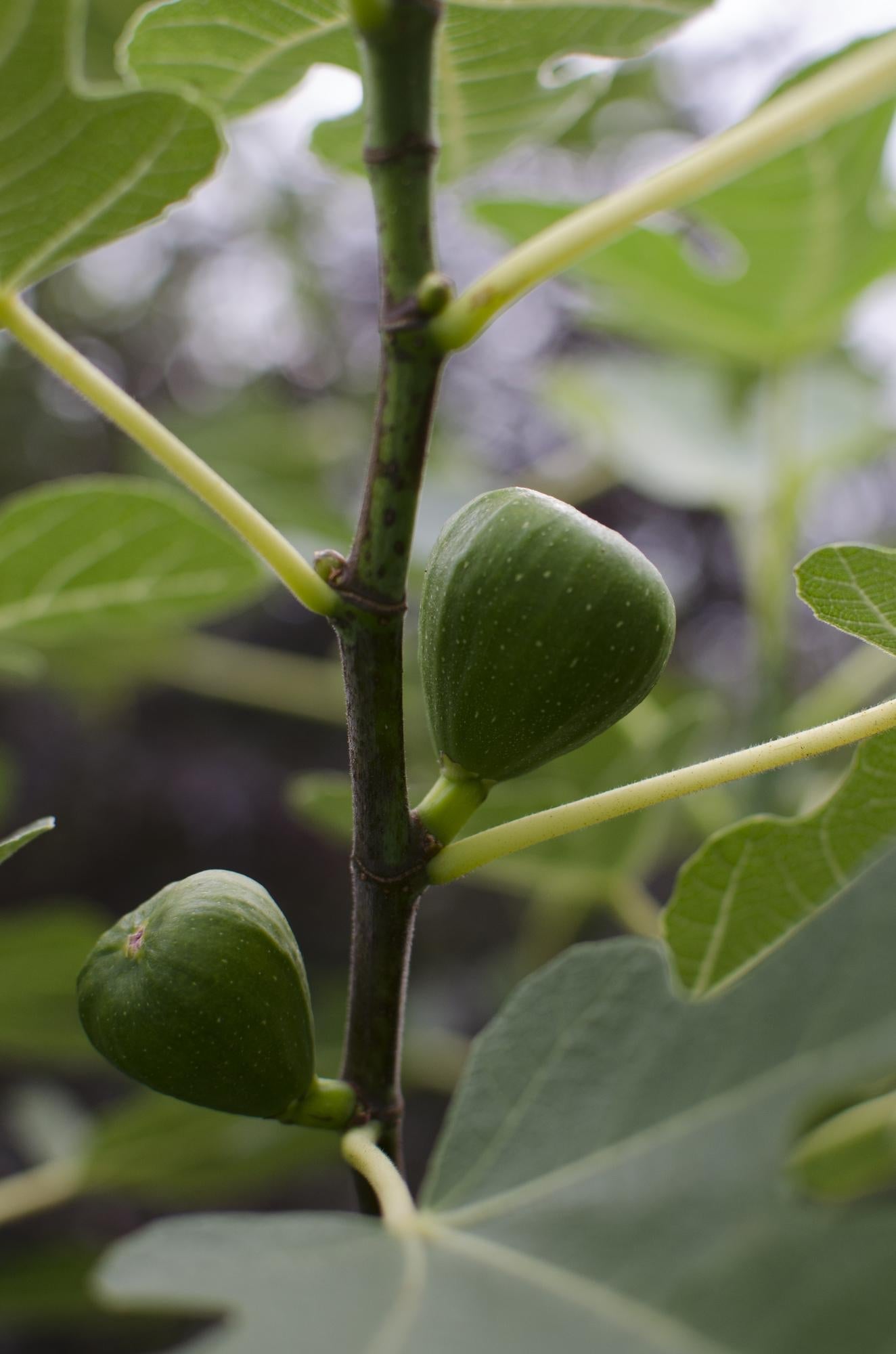
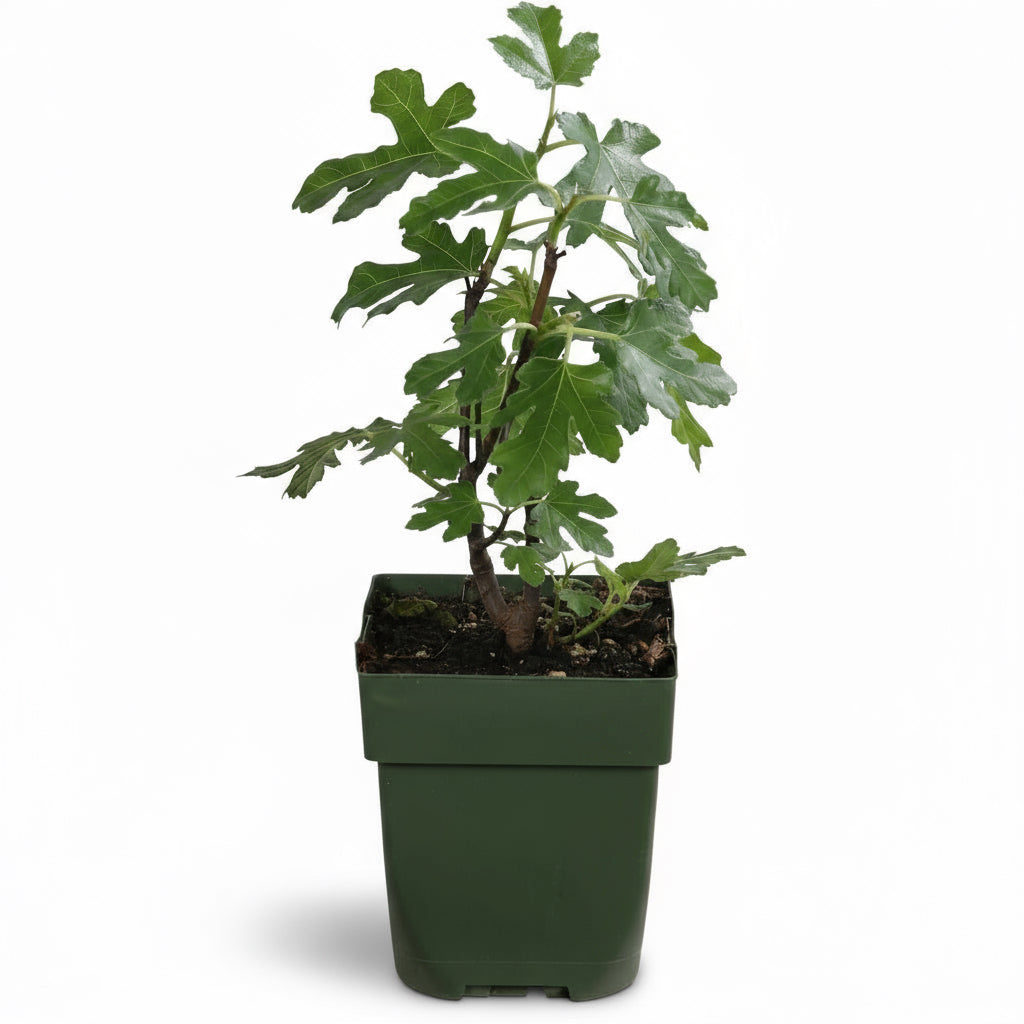
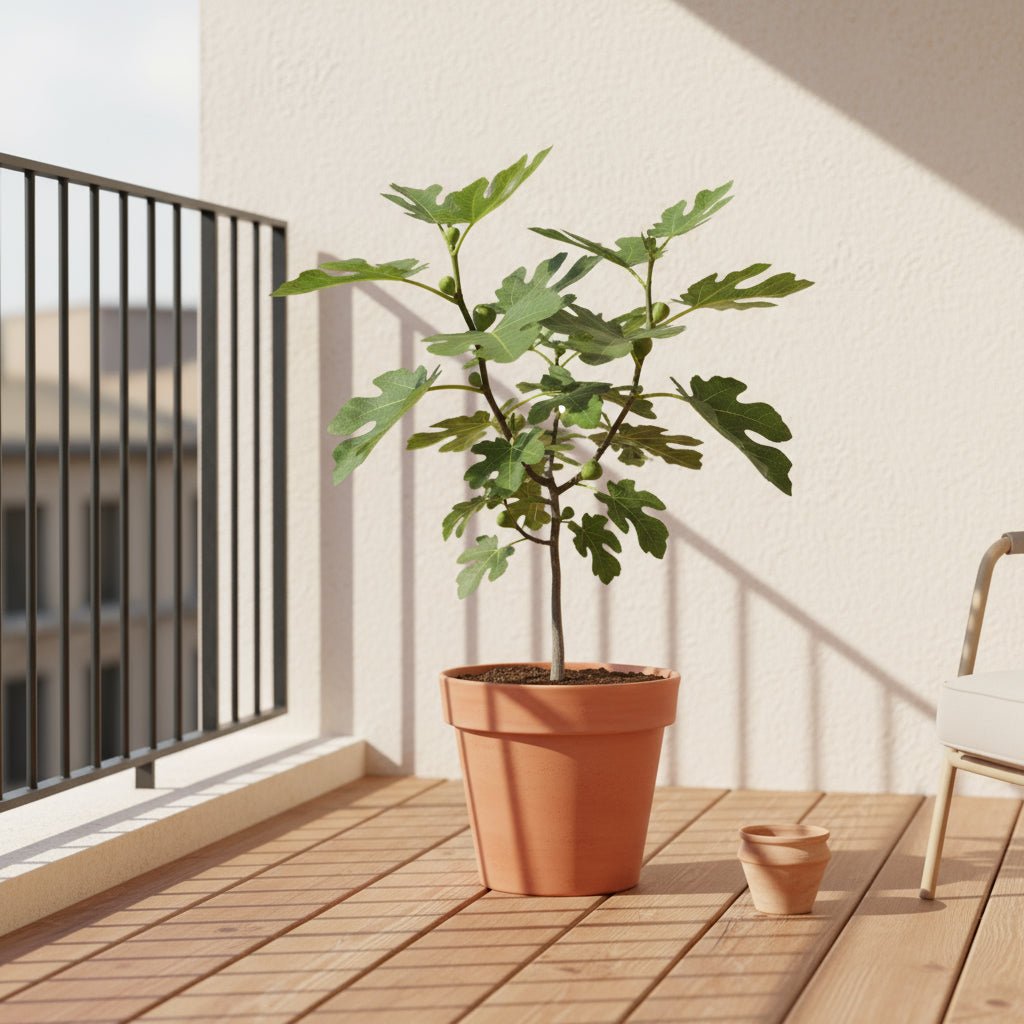
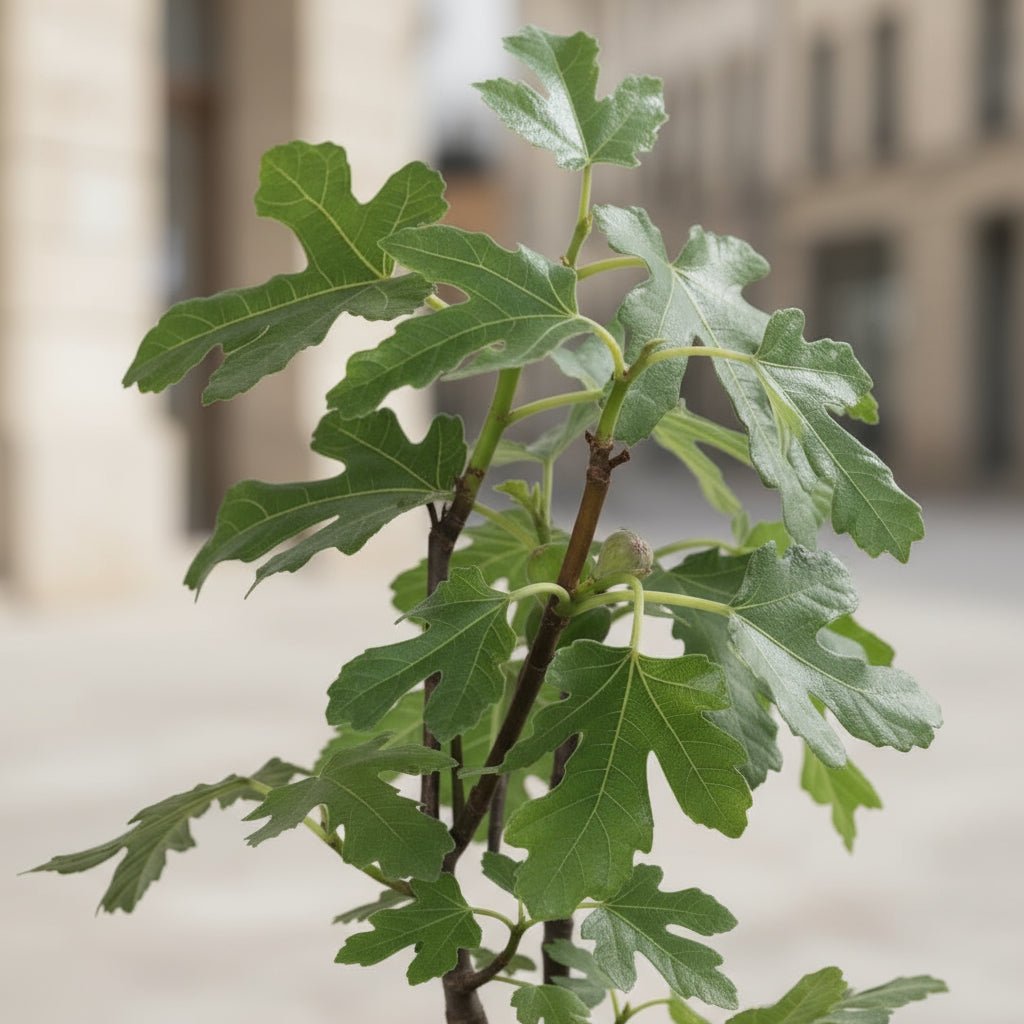
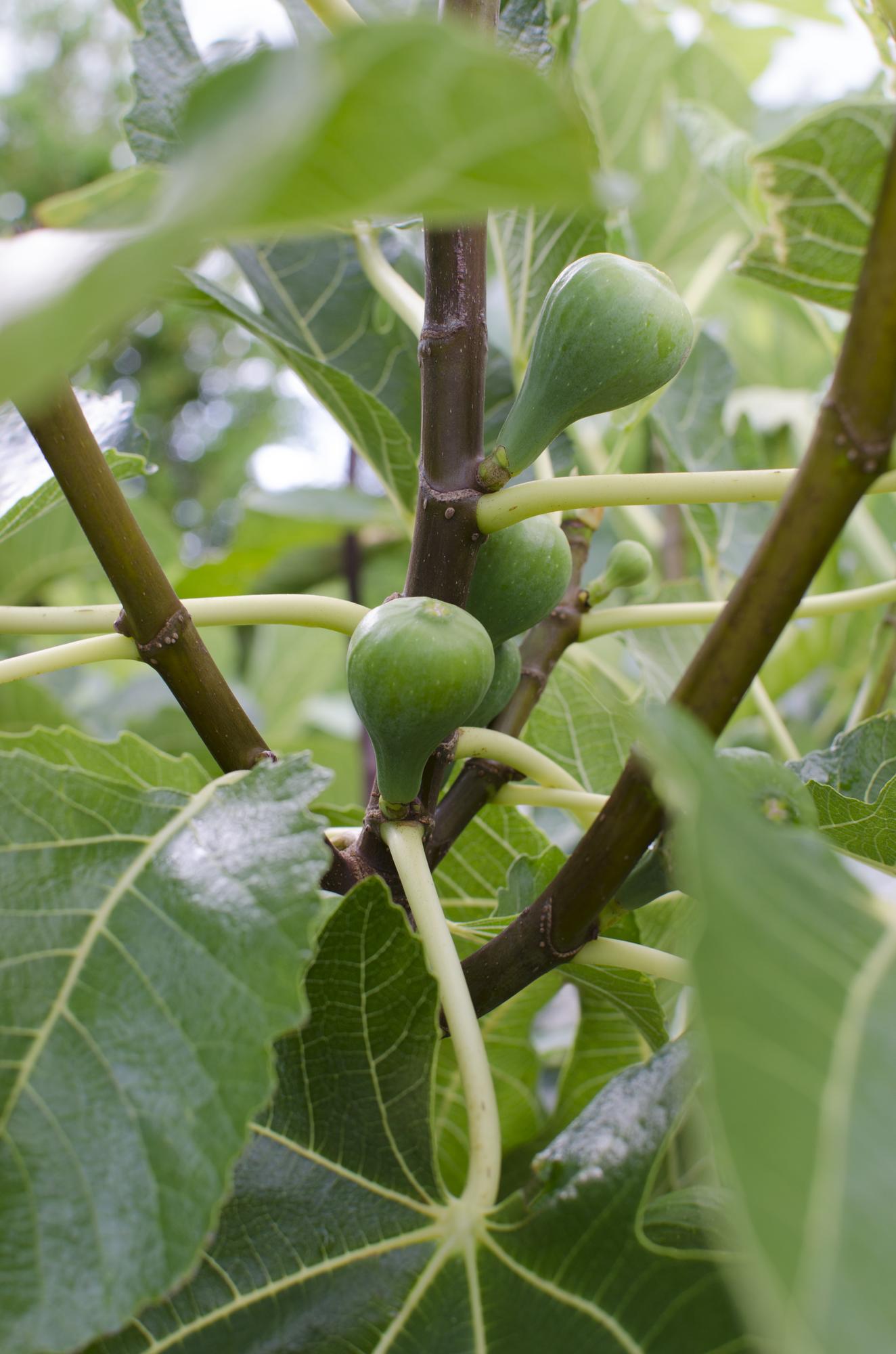

🍃 Glossy dark green deciduous foliage • 🍑 Sweet figs from the first season • ☀️ Full sun or bright light • 🌡️ Bring indoors below 5 °C • 🐾 Non-toxic • 📏 H30 cm | Ø13 cm pot
The Ficus carica 'Gustissimo Perretta', or dwarf fig tree, is a compact horticultural selection of the common fig native to the Mediterranean basin, developed specifically for pot cultivation in small spaces. Its naturally contained rounded habit, large glossy dark green lobed leaves, and ability to fruit from the first season make it one of the most attractive fruit trees in the fig tree collection for sunny balconies and terraces.
Decorative in spring and summer, spectacular when fruiting, it brings an immediate Mediterranean and gourmet touch to any sun-exposed urban space, among the fruit and aromatic plants in the catalog.
Which fig tree to choose?
The Verdeia fig tree collection offers several Ficus carica varieties with distinct sizes and characteristics. Here’s how the 'Gustissimo Perretta' fits among the catalog references:
- Ficus carica 'Gustissimo Perretta' (this plant) — rounded dwarf habit (1 to 1.5 m), sweet figs from the first season, ideal in a Ø13 cm pot. The most compact variety for small balconies.
- Ficus carica 'Little Miss Figgy' — certified organic dwarf fig tree, bushy habit (H50 cm at delivery), small and very sweet figs. The organic variety for input-free cultivation.
- Ficus carica 'Bornholm' — compact variety with very sweet dark purple figs, good hardiness. The choice for a medium size on terraces.
- Ficus carica 'Brown Turkey' — classic variety, very productive with brown figs, hardy down to –10 °C. The choice for abundant harvests in open ground or large containers.
Exposure & location
The 'Gustissimo Perretta' is primarily a Mediterranean fruit tree — it needs warmth and light to fruit. The sunnier the exposure, the sweeter and more abundant the figs will be. Below 5 °C, bring the pot indoors to a frost-free, bright place.
- Exposure: full sun or bright light — at least 6 hours of direct sunlight per day for optimal fruiting.
- Location: balcony, terrace, or sheltered veranda — ideally against a south-facing wall that retains heat at night.
- In a pot: container 30 to 40 cm deep, well-drained — the fig tree tolerates being slightly root-bound.
- Winter care: bring indoors as soon as temperatures drop below 5 °C — into a frost-free, bright room until spring returns.
Against a south- or west-facing wall, the heat accumulated by the masonry during the day extends the fruiting season by several weeks and noticeably improves the flavor of the figs.
Watering & maintenance
The fig tree tolerates drought well once established, but in a pot it depends entirely on watering. The finger test remains the best guide — the substrate should dry slightly on the surface between waterings. Excess water during cold periods is the main cause of decline. If leaves yellow prematurely, check the causes of yellowing — often a substrate that is too heavy or lack of light.
- Watering: regular in summer, keeping the substrate slightly moist — very sparse in winter, allowing it to dry between waterings.
- Substrate: rich, well-drained fruit soil — add sand or pumice to improve drainage.
- Fertilizer: potassium-rich organic fertilizer in spring to stimulate fruiting.
- Pruning: light pruning at the end of winter to maintain a compact shape and open the silhouette.
Moderate water stress just before the figs ripen — by slightly reducing watering in August — concentrates sugars and intensifies the fruit’s flavor.
Decor ideas & plant pairings
The large, glossy dark green lobed leaves of the fig tree, its sculptural rounded shape, and its decorative purple figs in summer create an immediate Mediterranean atmosphere, whether in a Mediterranean garden or as part of a composition on a sunny terrace.
- For a Mediterranean fruit terrace with a double harvest, pair it with the black mulberry 'Mulle' — two compact fruit trees, two complementary harvest seasons (July-September for the mulberry, August-October for the fig tree), and two very different leaf textures (lobed vs heart-shaped).
- For a structured Mediterranean balcony, place the potted fig tree in the center accompanied by a nearby lemon tree in a decorative pot — both Mediterranean fruit trees share the same sunlight and winter care needs, creating a coherent and productive arrangement.
- To enhance the lobed foliage and purple fruits, a decorative pot in white ceramic or unglazed terracotta naturally harmonizes with the dark green leaves and the deep purple of ripe figs.
- To complement the arrangement with herbs, a pot of rosemary or thyme at the base of the fig tree creates a coherent Mediterranean composition — the herbs tolerate summer drought like the fig tree and share the same sunny location.
The fig tree loses its leaves in winter but its sculpted, twisted branches remain very decorative — choose an elegant pot that highlights the silhouette of the bare tree in winter.
Verdeia tips
- Bring the pot indoors before the first frosts: the 'Gustissimo Perretta' is frost sensitive — as soon as temperatures approach 5 °C at night, place it in a frost-free, bright room until spring returns in March-April.
- Remove unripe figs before wintering: at the end of the season, remove all small fruits that won’t mature before the cold — they unnecessarily drain the plant and encourage fungal diseases during wintering.
- Repot every 2 to 3 years in spring: unlike most fruit trees, the fig tree tolerates being slightly root-bound — wait until roots come out of the pot before repotting and increase the diameter by only 3 to 4 cm each time.
Technical characteristics
- Botanical name: Ficus carica 'Gustissimo Perretta'
- Common name: Dwarf fig tree
- Origin: horticultural selection from the Mediterranean basin
- Dimensions at delivery: H30 cm | Pot Ø13 cm
- Adult size: 1 to 1.5 m in pot
- Exposure: full sun or bright light — minimum 6 h/day
- Watering: regular in summer, very sparse in winter
- Fruit season: August to October
- Fruits: purple figs, sweet pink flesh
- Foliage: shiny dark green, lobed, deciduous
- Hardiness: frost sensitive — bring indoors below 5 °C
- Growing method: pot only
- Toxicity for pets: non-toxic
- Decorative style: Mediterranean / Natural / Urban gourmet
Each plant is unique: the photos show an example of its appearance. The size of the fruits and the density of the foliage naturally vary depending on exposure and the age of the plant.

Your plant, delivered with care
Every plant is hand-packed in a box specially designed for plants — secured, protected, ready to travel. It arrives in perfect condition, roots intact and foliage preserved, ready to take its place in your home.
Our Verdeia commitments
FAQ – Everything to know before adopting your Verdeia plant
How are my plants prepared before shipping?
All our plants are selected from our European partner nurseries. Before shipping, they are watered, cleaned, and protected with breathable, secure packaging. Each package is designed to ensure your plant arrives in perfect health, without any transport-related stress.
Will the plant look exactly like the photo?
The photos accurately represent the variety and the stated size. Since each plant is unique, slight differences in shape, foliage, or color may occur — and that’s part of their charm.
What are the delivery times and conditions?
Shipping is done within 48 business hours, with tracked delivery within 2 to 5 business days. Delivery costs €5.60 — free for orders over €50. You will receive a tracking link as soon as the package is shipped.
What to do upon receiving my plant?
Open your package as soon as you receive it and carefully remove the plant from its packaging. Let it acclimate for 24 hours in its new environment before watering. If it has been slightly stressed during transport, it will recover its shape after one or two days in the light.
What to do if my plant arrives damaged?
Contact us within 48 hours with a photo of the issue. Our team will assess the situation and offer you the best solution: replacement, partial refund, or recovery advice.
Can I return a plant?
Since plants are living beings, standard returns are not possible. However, we guarantee good health upon delivery: if the plant arrives damaged, it will be replaced free of charge. For any other cases (order error, decorative pot, accessory), returns are possible within 14 days.