



Citrus Calamondin (Indoor Orange Tree)
- Regular price
-
€53,95 - Regular price
-
- Sale price
-
€53,95
Couldn't load pickup availability
Frequently Asked Questions
What kind of light does a Calamondin Citrus need? Full sun. Take it outside to a balcony or terrace in the warm season; in winter, place it in a cool (10-15°C) and bright room.
Is the Calamondin Citrus toxic to pets? Yes — Calamondin is toxic to dogs and cats. Keep it out of reach of your pets.
SHIPPING & PACKAGING
Shipping within 24/48 hours via DPD
- Delivery in 2 to 5 business days
- Eco-friendly packaging: recyclable boxes and biodegradable materials
- Special protection to ensure the plant arrives in perfect condition
- Parcel tracking sent by email as soon as shipped
- Free delivery on orders over €50
48H QUALITY GUARANTEE
We guarantee that your plants will arrive in perfect condition. If your plant arrives damaged or in poor condition:
- Contact us within 48 hours at hello@verdeia.eu with photos
- Free replacement or full refund
- No return necessary – we trust you
The guarantee covers: damage related to transport, severely weakened plant upon arrival, preparation errors.
CARE TIPS UPON ARRIVAL
To help your plant settle in for the long term:
- Unpack immediately and inspect your plant
- Let it acclimatize 24-48h in a bright spot without direct sunlight
- Check soil moisture before watering (dry surface = light watering)
- Wait 2-3 weeks before repotting
- Avoid heat sources and drafts
- Gently wipe leaves to remove dust
Need help? Contact our team at hello@verdeia.eu or via chat.


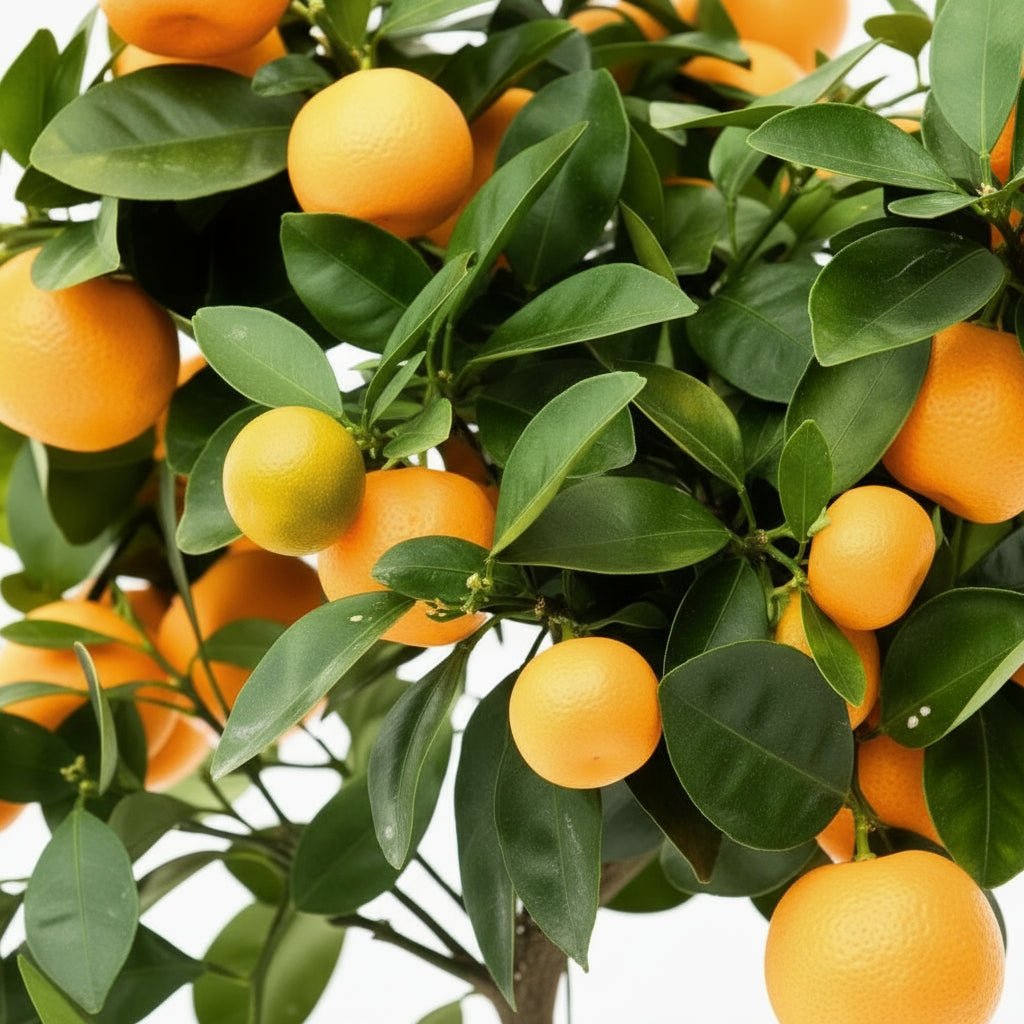
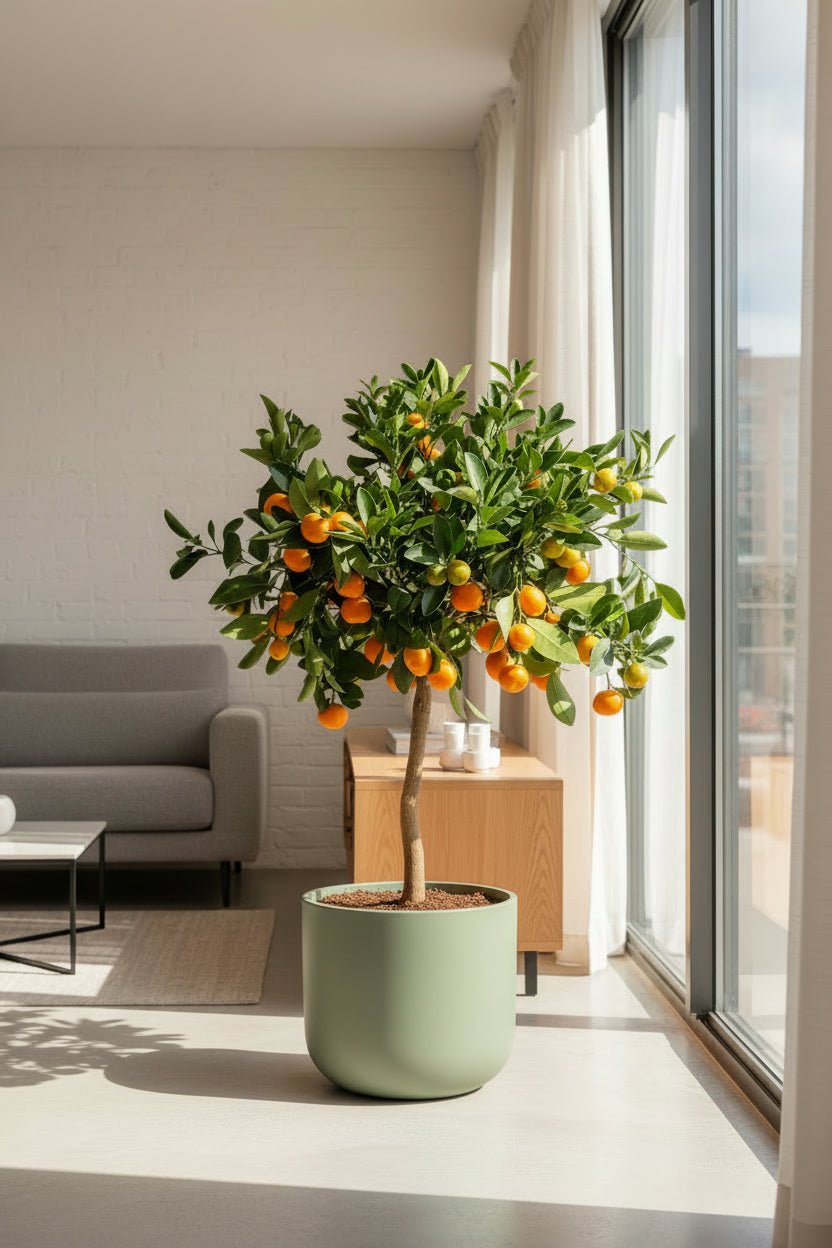
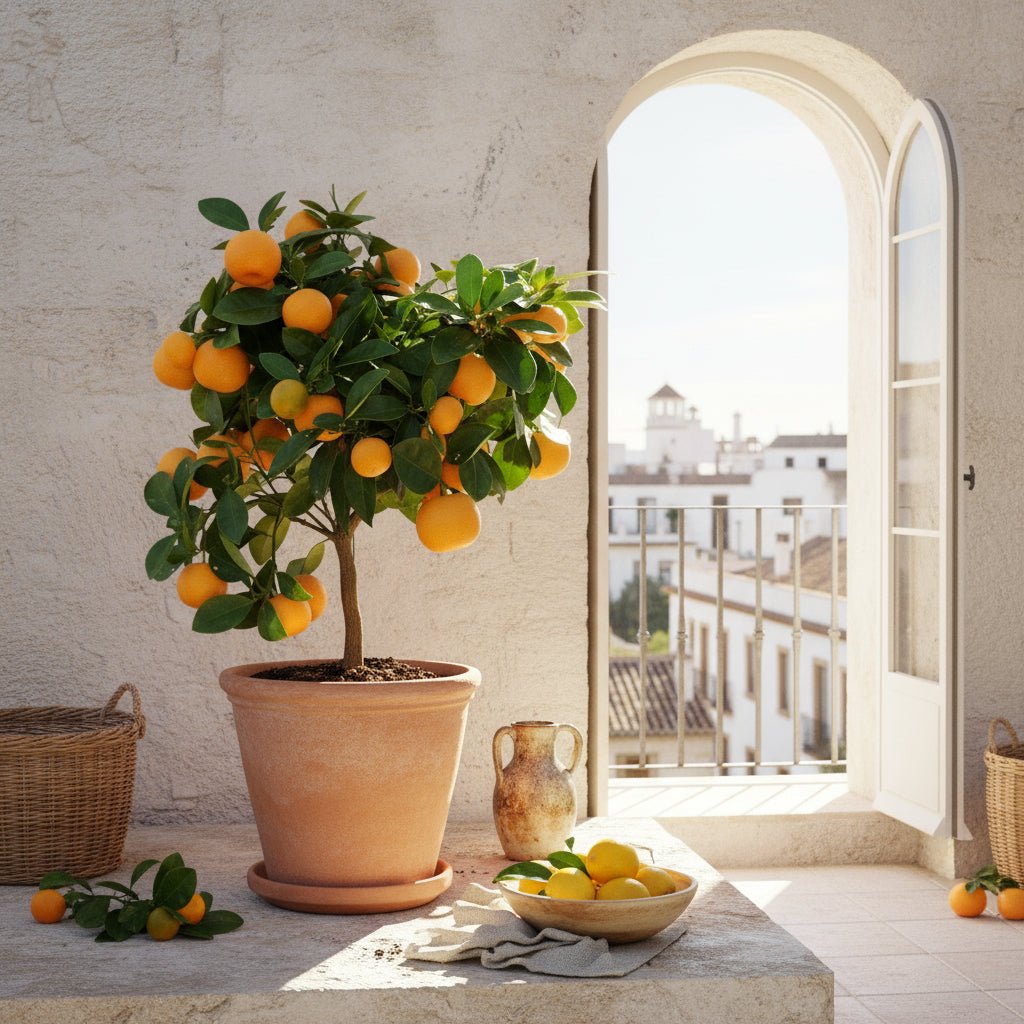
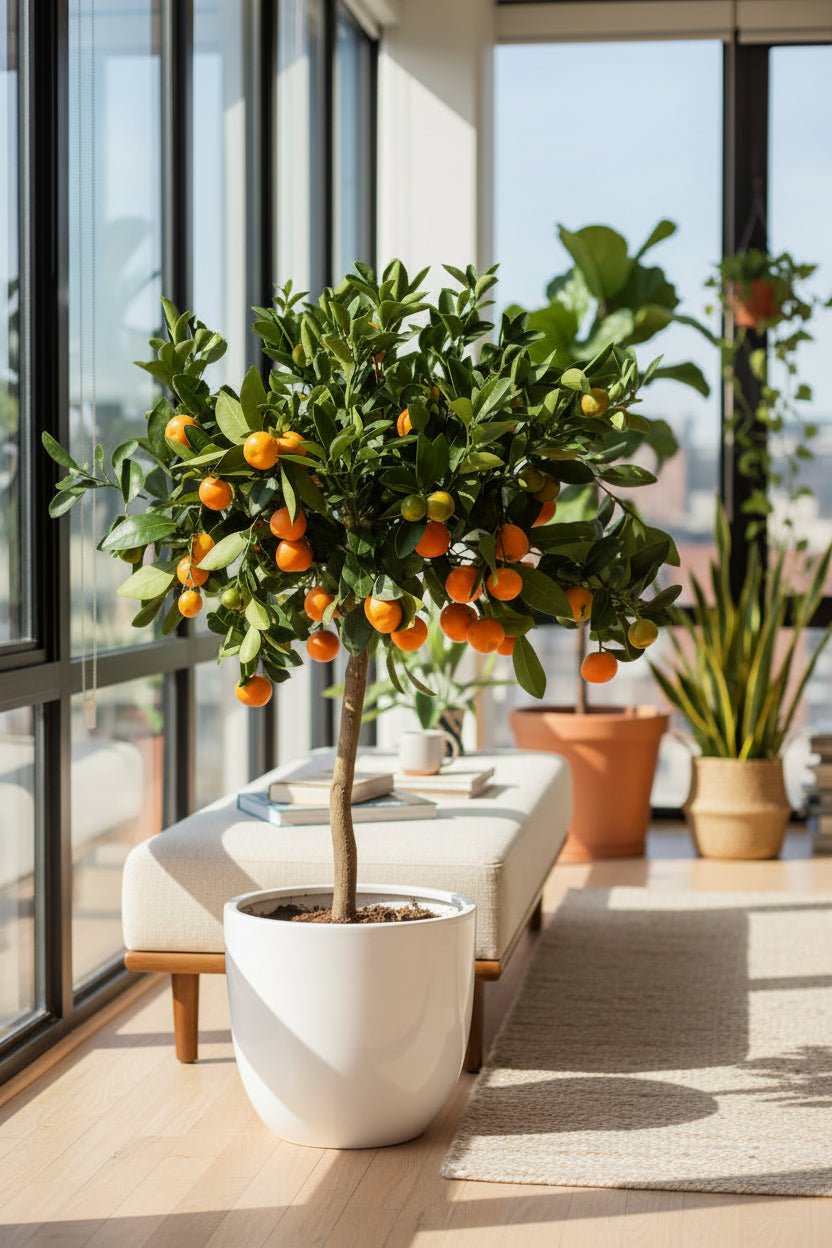


🍊 Small edible orange fruits • 🌸 Fragrant white flowers • ☀️ Full sun to partial shade • 💧 Regular watering • 🌿 Evergreen foliage
The Citrus Calamondin, also called the Apartment Orange Tree, is a spectacular miniature citrus — its small bright orange edible fruits, delightfully fragrant white flowers, and glossy evergreen foliage make it one of the most generous plants in the catalog. Native to the Philippines and Southeast Asia, it is a natural hybrid between mandarin and kumquat, cultivated for centuries for its fruit and fragrance. Discover our collection of fruit and aromatic plants.
Unlike the classic lemon tree, it is more compact, more floriferous, and perfectly suited for bright indoor cultivation.
Which Citrus variety to choose?
The Citrus genus offers several citrus fruits suitable for pot cultivation. Here is how the Citrus Calamondin compares to other varieties:
- Citrus Calamondin (this plant): compact and very decorative citrus, small tangy and bitter orange fruits usable in cooking, generous flowering, ideal for bright indoor spaces or balconies. The easiest to grow in an apartment.
- Citrus Lemon: classic lemon tree, standard-sized yellow lemons, generous production, prefers sunny outdoor locations. More demanding in light.
Calamondin is the ideal choice if you want a compact citrus that flowers and fruits indoors without hassle — much more accommodating than the classic lemon tree.
Light & Location
The Citrus Calamondin is one of the few citrus fruits able to thrive indoors in bright light year-round — but light remains the number one factor: without enough light, no flowers, no fruit.
- Exposure: full sun to partial shade — minimum 4 to 6 hours of light per day.
- Ideal for: south- or west-facing window, conservatory, sunny balcony or terrace.
- Temperature: 15 to 25 °C year-round, minimum 10 °C in winter.
- Substrate: special citrus potting soil, rich and well-drained.
Watering & Care
- Watering: regular — keep the substrate slightly moist without ever soaking it, especially during fruiting. Water stress is the number one enemy: irregular watering causes fruit drop. Our new plant care guide explains how to properly set up your Calamondin upon arrival.
- Frequency: 2 to 3 times per week in summer, reduce in winter.
- Drainage: essential — pot with drainage holes, empty saucer after each watering.
- Fertilizer: every 2 weeks in spring and summer, special citrus fertilizer rich in nitrogen and iron — citrus are hungry plants and regular feeding makes all the difference.
- Pruning: light pruning at the end of winter to maintain a compact and airy shape.
- Repotting: every 2 to 3 years in spring into a slightly larger pot.
Decor Ideas & Plant Combinations
Its bright orange fruits, which persist on the plant for several months, are enough to instantly create a Mediterranean atmosphere — potted alone near a window, it becomes the centerpiece of the room.
- Edible Mediterranean corner: pair it with Lavender angustifolia and a trailing Ivy on a sunny balcony — three Mediterranean plants, complementary colors, associated fragrances, consistent care.
- In a Mediterranean urban garden: check out our balconies and terraces selection to create a harmonious ensemble.
- Decorative pot: a terracotta pot or a white glazed ceramic pot highlights the orange color of the fruits by contrast.
Verdeia Tips
- Take it outside in summer: Calamondin loves warmth and will produce more flowers and fruits outdoors — bring it inside as soon as nights drop below 10 °C.
- Pollinate manually indoors: without insects, help pollination by brushing dry from flower to flower during blooming — it’s simple and very effective to trigger fruiting.
- Watch for pests: scale insects and aphids like citrus — regularly inspect foliage and treat quickly with black soap if infested.
Technical Specifications
- Botanical name: Citrus × microcarpa
- Common name: Calamondin / Apartment Orange Tree / Calamansi
- Origin: Philippines and Southeast Asia
- Adult size: 80 to 150 cm in pot depending on conditions
- Exposure: full sun to partial shade (minimum 4 to 6 hours)
- Watering: regular, substrate slightly moist
- Care: easy to moderate — regular fertilization essential
- Toxicity: toxic to dogs and cats — keep out of their reach
- Decor style: Mediterranean / Fruiting / Bright indoor
Each plant is unique: photos show a representative example. The presence of fruits and flowers naturally varies with season and growing conditions.

Your plant, delivered with care
Every plant is hand-packed in a box specially designed for plants — secured, protected, ready to travel. It arrives in perfect condition, roots intact and foliage preserved, ready to take its place in your home.
Our Verdeia commitments
FAQ – Everything to know before adopting your Verdeia plant
How are my plants prepared before shipping?
All our plants are selected from our European partner nurseries. Before shipping, they are watered, cleaned, and protected with breathable, secure packaging. Each package is designed to ensure your plant arrives in perfect health, without any transport-related stress.
Will the plant look exactly like the photo?
The photos accurately represent the variety and the stated size. Since each plant is unique, slight differences in shape, foliage, or color may occur — and that’s part of their charm.
What are the delivery times and conditions?
Shipping is done within 48 business hours, with tracked delivery within 2 to 5 business days. Delivery costs €5.60 — free for orders over €50. You will receive a tracking link as soon as the package is shipped.
What to do upon receiving my plant?
Open your package as soon as you receive it and carefully remove the plant from its packaging. Let it acclimate for 24 hours in its new environment before watering. If it has been slightly stressed during transport, it will recover its shape after one or two days in the light.
What to do if my plant arrives damaged?
Contact us within 48 hours with a photo of the issue. Our team will assess the situation and offer you the best solution: replacement, partial refund, or recovery advice.
Can I return a plant?
Since plants are living beings, standard returns are not possible. However, we guarantee good health upon delivery: if the plant arrives damaged, it will be replaced free of charge. For any other cases (order error, decorative pot, accessory), returns are possible within 14 days.