

Grape hyacinths — the blue spring clusters of Muscari
4 products
-
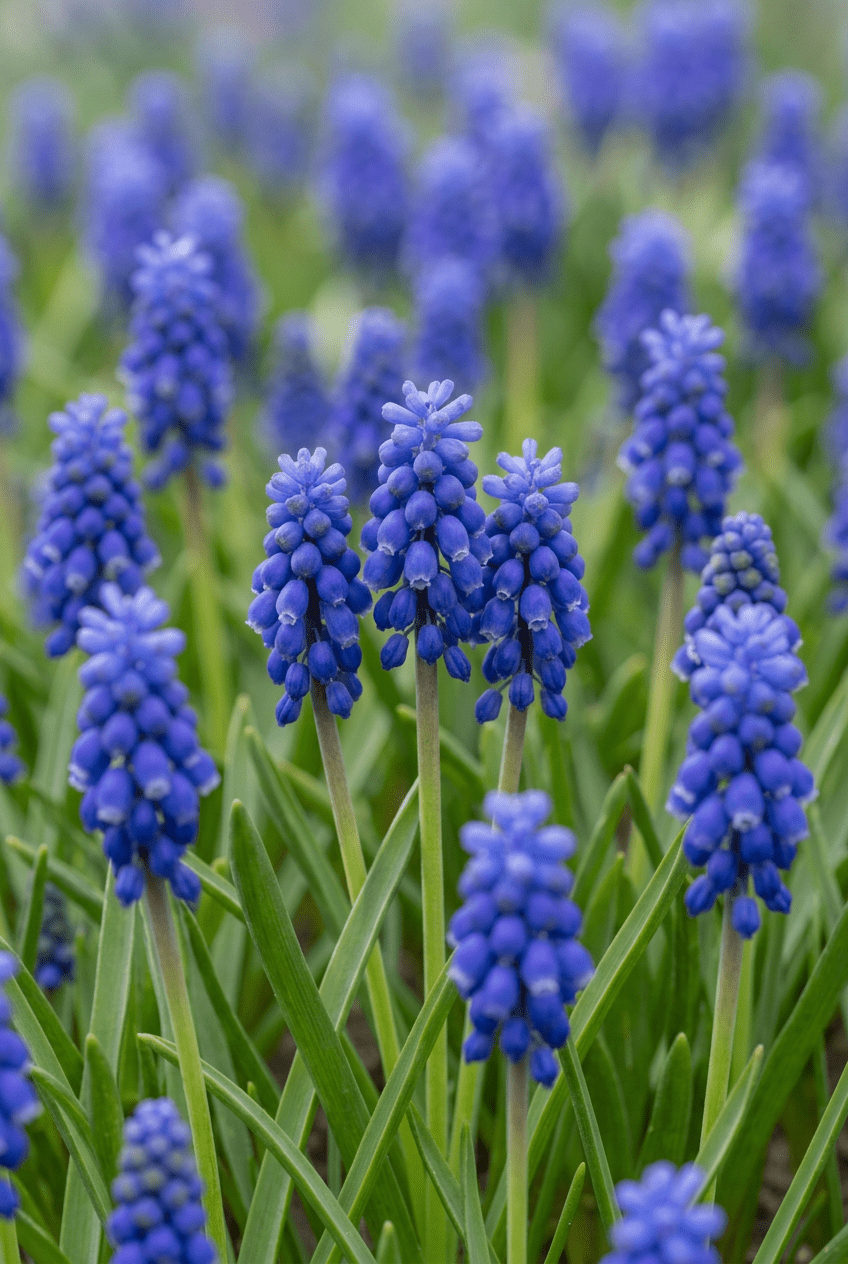
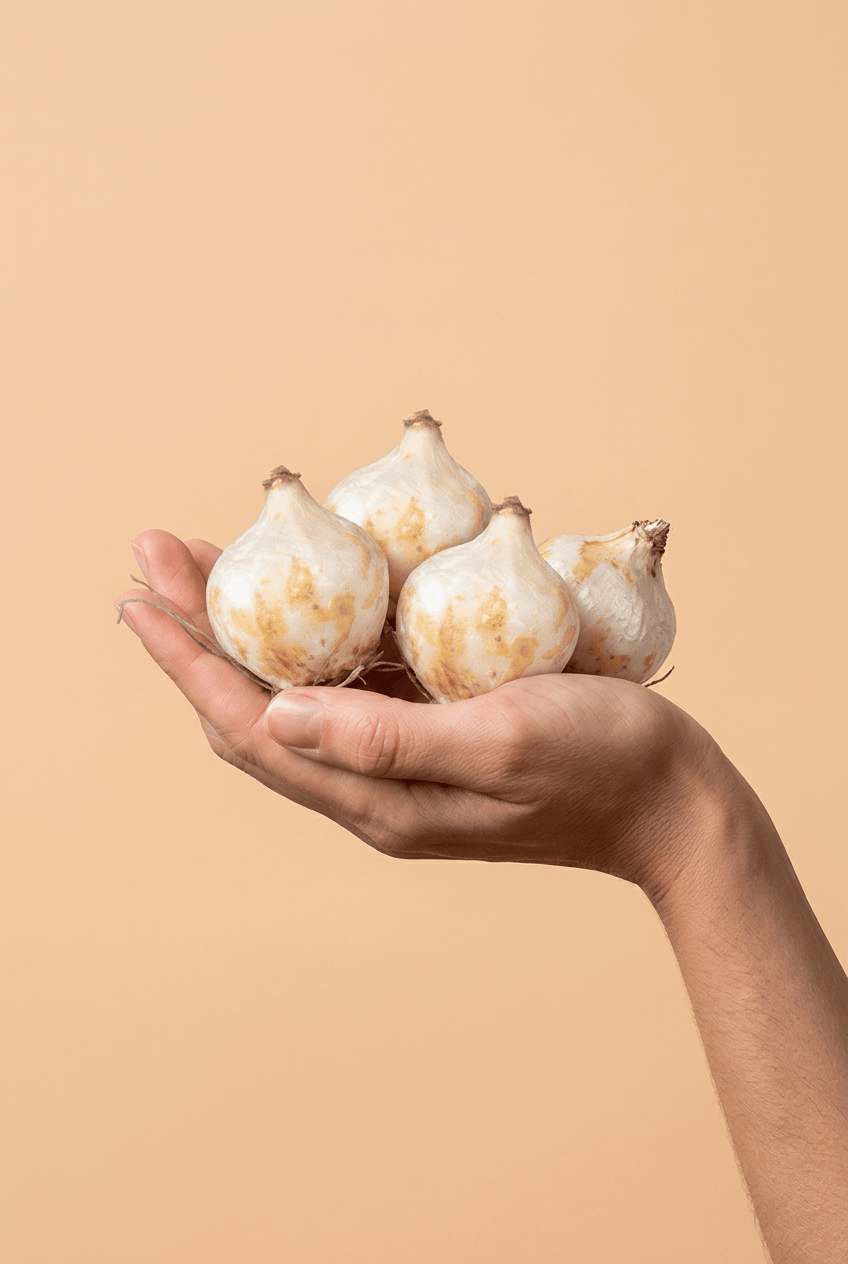 Armenian grape hyacinth (Muscari armeniacum) — Bulbs, size 8/9Armenian grape hyacinth (Muscari armeniacum) — Bulbs, size 8/9
- Regular price
-
€23,95 €77,95 - Regular price
-
- Sale price
-
€23,95 €77,95
Quick view
-

 Muscari 'White Magic' (White grape hyacinth) — Bulbs, size 6/7Muscari 'White Magic' (White grape hyacinth) — Bulbs, size 6/7
- Regular price
-
€25,95 €88,95 - Regular price
-
- Sale price
-
€25,95 €88,95
Quick view
-

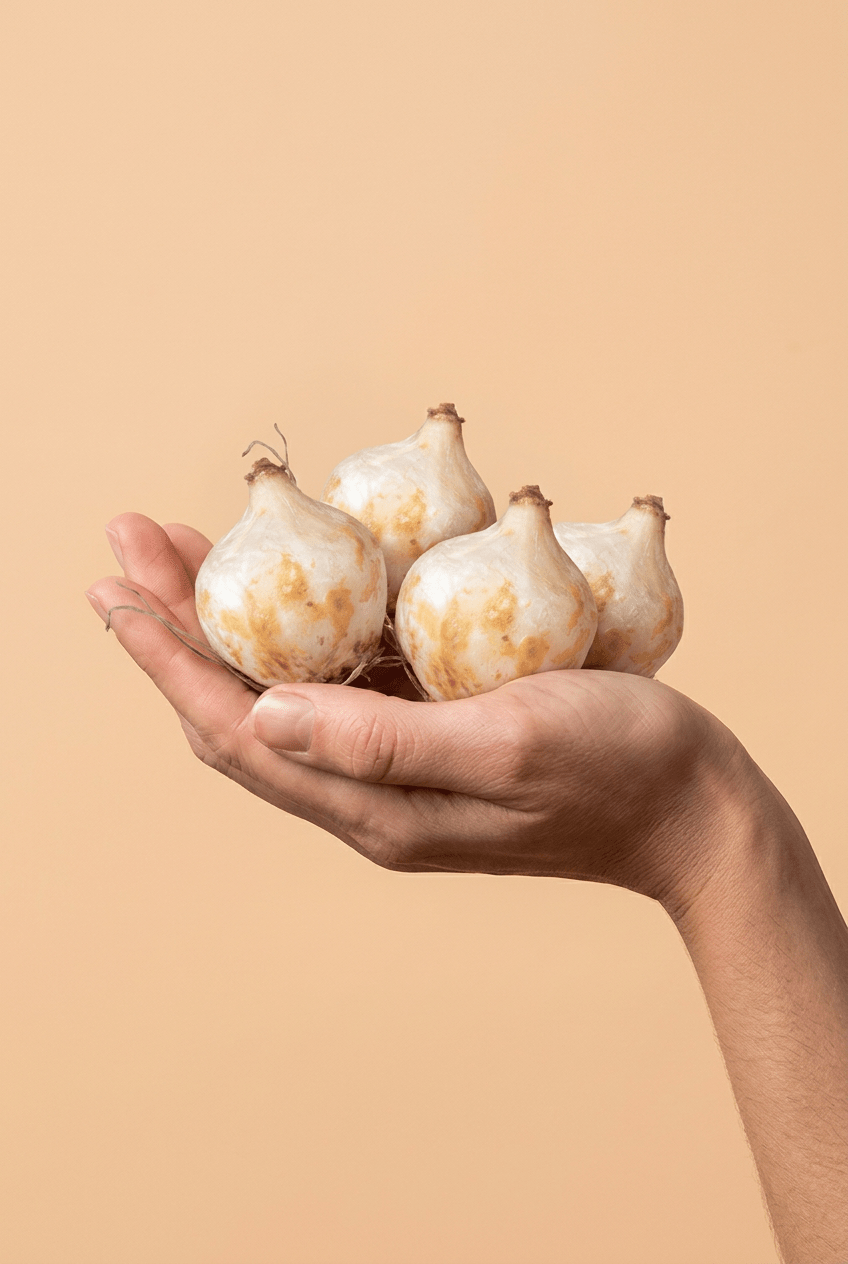 Muscari Magic Mix (Blue and white grape hyacinth mix) — Bulbs, size 7/8Muscari Magic Mix (Blue and white grape hyacinth mix) — Bulbs, size 7/8
- Regular price
-
€26,95 €95,95 - Regular price
-
- Sale price
-
€26,95 €95,95
Quick view
-

 Broad-leaved grape hyacinth (Muscari latifolium) — Bulbs, size 5/6Broad-leaved grape hyacinth (Muscari latifolium) — Bulbs, size 5/6
- Regular price
-
€22,95 €70,95 - Regular price
-
- Sale price
-
€22,95 €70,95
Quick view


Small spikes packed like bunches of grapes, deep blue or pure white, with a light scent: grape hyacinths (Muscari) flower from March to May. Easy, hardy and compact, they are planted in autumn and thrive just as well in a pot on a balcony as in a window box or border, where they multiply year after year.
Grape hyacinth varieties
Armenian grape hyacinth (Muscari armeniacum) is the great classic: bright blue spikes edged with white, 15 to 20 cm tall, in April. Broad-leaved grape hyacinth (Muscari latifolium) stands out with its two-tone spikes, pale blue at the top and very dark violet-blue at the base, and its single broad, upright leaf. Muscari 'White Magic' offers pure white clusters, perfect for brightening a pot or partnering dark tulips. Magic Mix combines blue and white grape hyacinths for a natural, luminous effect.
Planting grape hyacinths in pots
Plant the bulbs from September to November, tip upwards, 8 to 10 cm deep and about 5 cm apart: planted close together, they form true blue carpets. Use a pot with drainage holes and free-draining compost, as the bulbs dislike excess water. Place the pot in sun or partial shade. Very hardy, grape hyacinths spend the winter outdoors without protection and are among our cold and frost hardy plants.
Combining grape hyacinths with other bulbs
Grape hyacinths are perfect for the middle layer of a lasagne-planted pot: on top, crocuses open the season, then the grape hyacinths flower at the feet of daffodils and tulips planted deeper. Their blue sets off the yellow of daffodils as well as the white or pink of tulips. Find all our bulbs in the Flower bulbs collection.
After flowering
Let the foliage yellow naturally before cutting it back: it recharges the bulb for the following year. Armenian grape hyacinth produces new leaves in autumn; this is perfectly normal and does not affect spring flowering. Grape hyacinths naturalise easily and form ever denser clumps; in pots, you can leave the bulbs in place for several years.
Precautions
Grape hyacinth bulbs can cause digestive upset if eaten, especially by cats and dogs. Keep them out of reach of children and pets before planting.
Grape hyacinths on the balcony
A few dozen bulbs are enough to fill a window box with blue in spring. Paired with hellebores or small evergreen shrubs, they bring a fresh, fragrant touch, ideal for styling a balcony in bloom from March to May.