



Giant snowdrop (Galanthus elwesii) — Bulbs, size 5/6
- Regular price
-
€27,95 - Regular price
-
- Sale price
-
€27,95
Couldn't load pickup availability
Frequently asked questions
What is the difference between giant snowdrops and common snowdrops? The giant snowdrop (Galanthus elwesii) has larger flowers, broader gray-blue leaves and tolerates sun better than the common snowdrop (Galanthus nivalis).
Where to plant snowdrops in the garden? At the base of a deciduous tree or shrubs, in a border or in a pot, in sun or partial shade, in cool, well-drained soil.
Shipping & packaging
Shipped within 24/48 hours via DPD
- Delivery in 2 to 5 working days
- Eco-friendly packaging: recyclable boxes and biodegradable materials
- Special protection so your plant arrives in perfect condition
- Tracking link sent by email as soon as your parcel ships
- Shipping costs and the free-shipping threshold depend on your country — see our delivery page
ZEN ARRIVAL GUARANTEE
We guarantee that your plants will arrive in perfect condition. If your plant arrives damaged or in poor condition:
- Contact us promptly at hello@verdeia.eu with photos
- We will find the right solution for your situation
- No return needed — we trust you
The guarantee covers: damage in transit, plants severely weakened on arrival, and order preparation errors.
CARE TIPS ON ARRIVAL
To help your plant settle in for the long term:
- Unpack your plant immediately and inspect it
- Let it acclimatize for 24-48h in a bright spot out of direct sunlight
- Check the soil moisture before watering (dry surface = light watering)
- Wait 2-3 weeks before repotting, if needed
- Keep it away from heat sources and drafts
- Gently wipe the leaves to remove dust
Need help? Contact our team at hello@verdeia.eu or via chat.
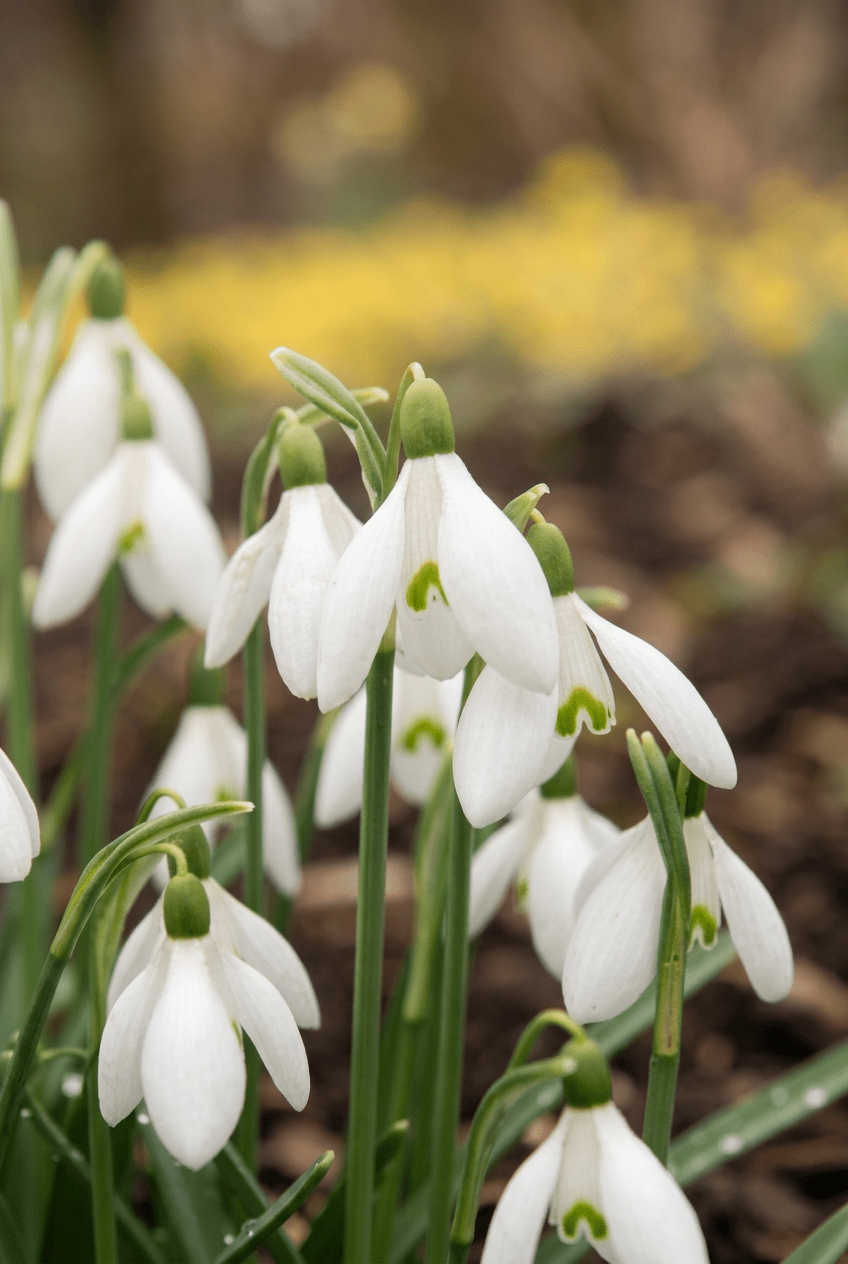

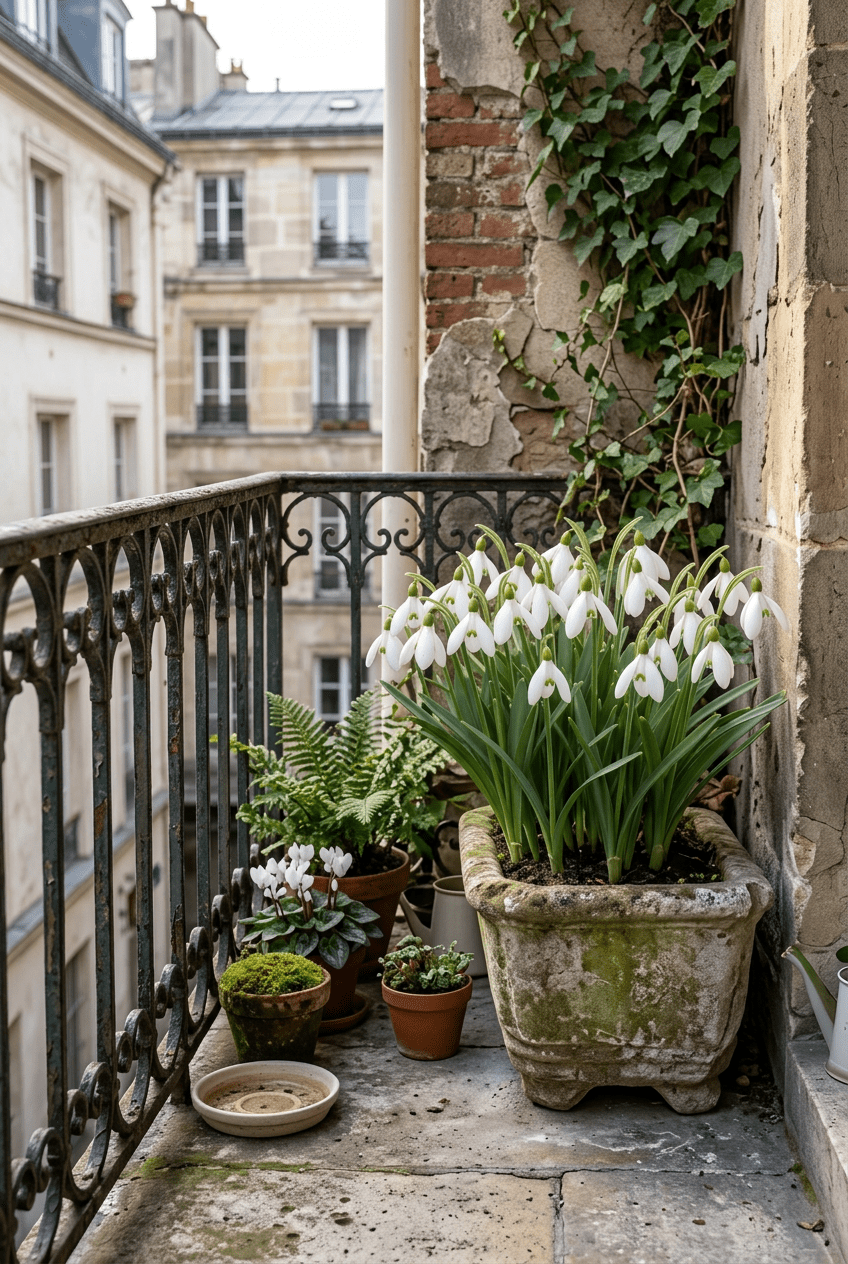
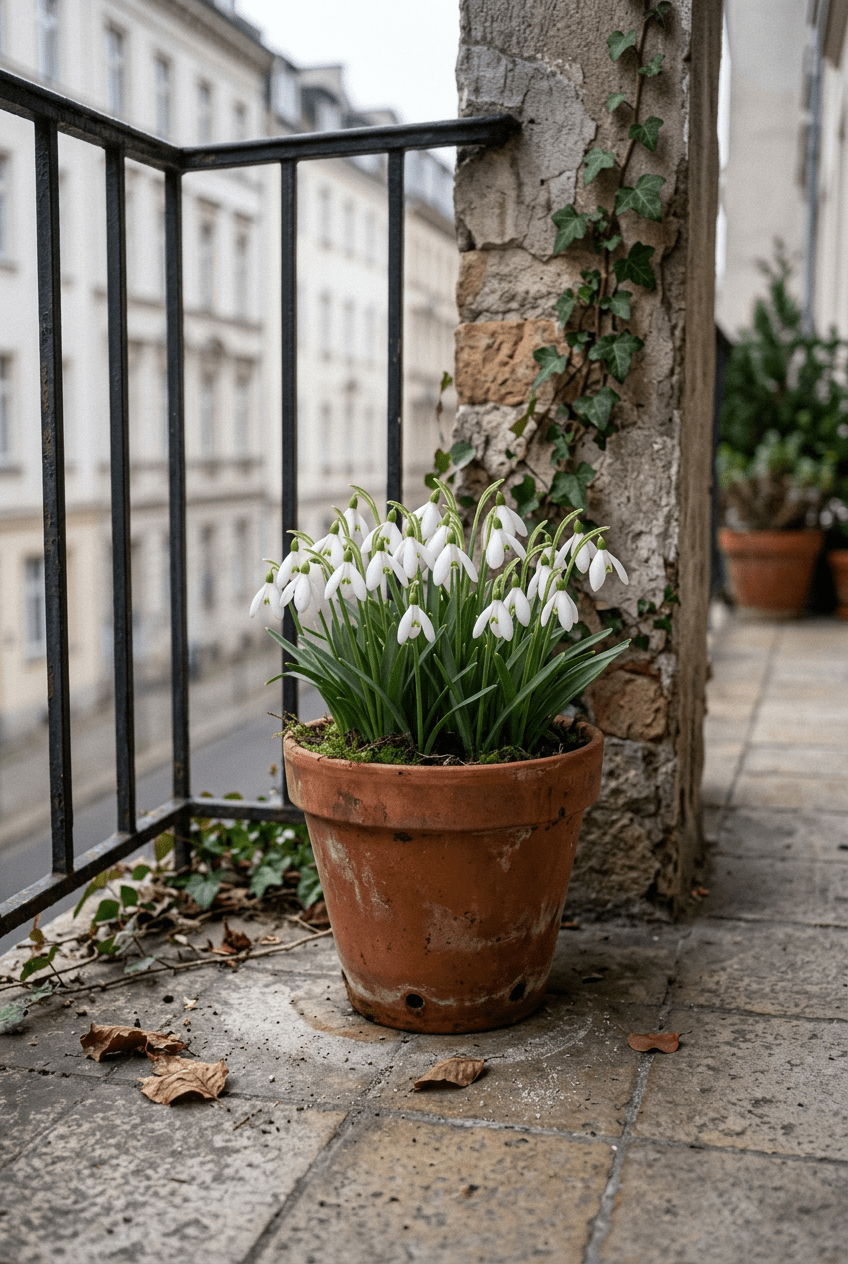
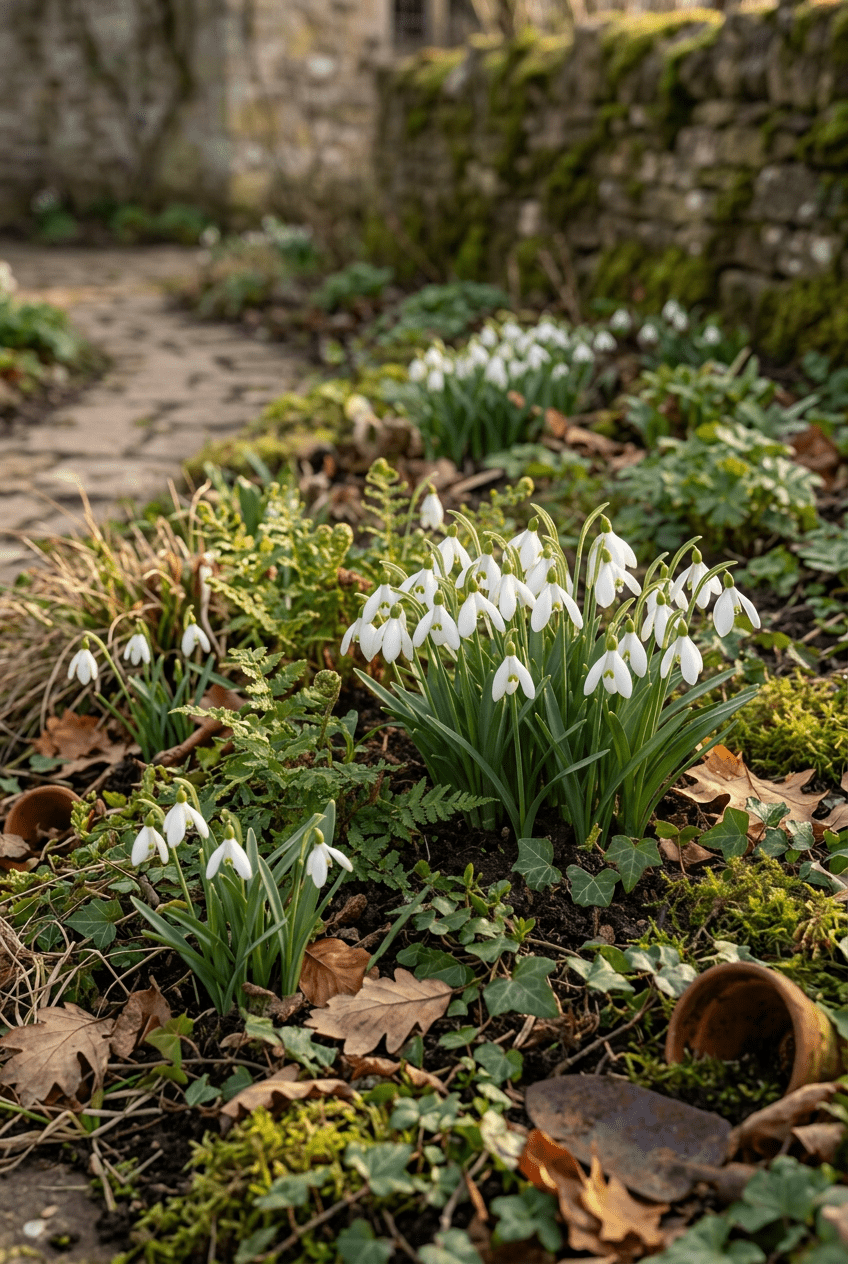
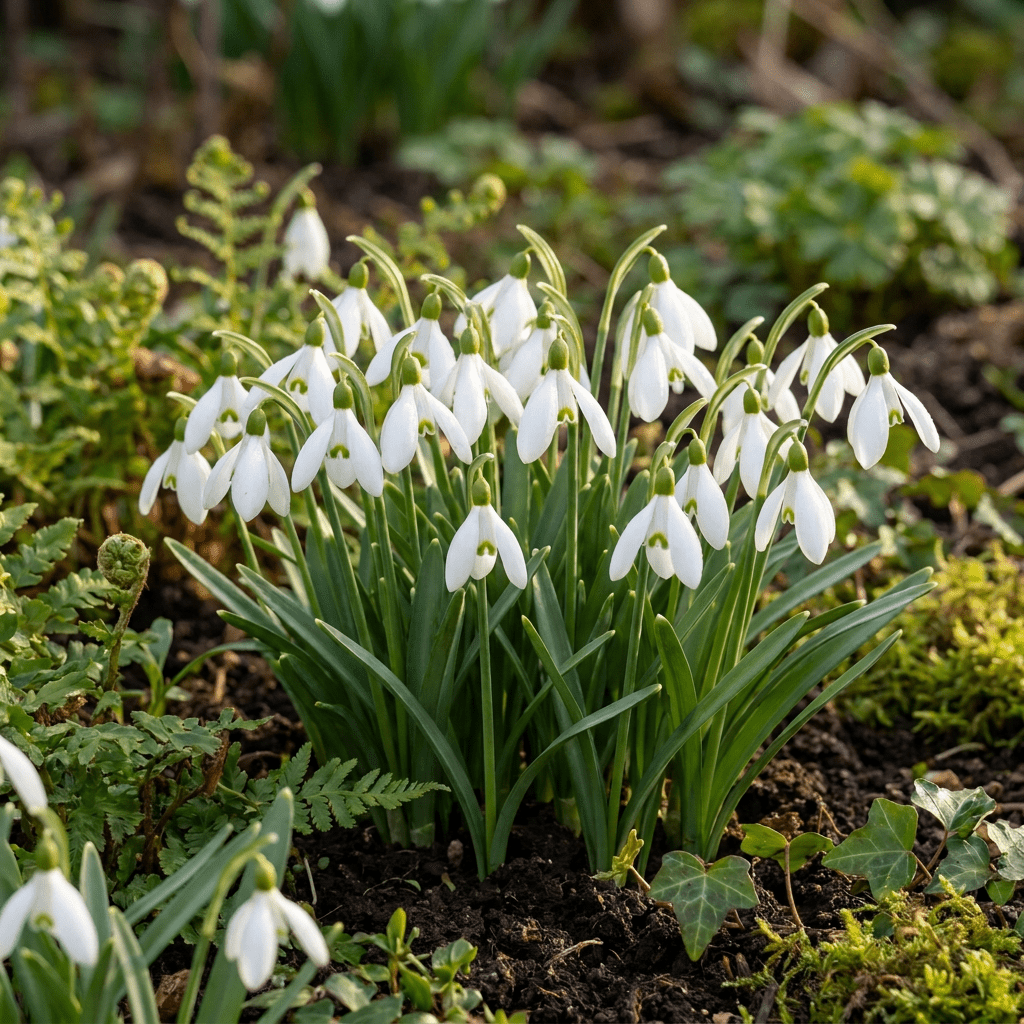

🤍 White bells marked with green • ❄️ Blooms from January • 🌱 Compact size, 15 to 25 cm • 🐝 Feeds the first bees • 🌤️ Sun or partial shade • 🧊 Very hardy • 🔁 Naturalizes in clumps • 📏 Bulb size 5/6
The giant snowdrop (Galanthus elwesii) is one of the very first flowers of the year: from January to March, sometimes pushing through the snow, it opens white bells marked with green on 15 to 25 cm stems, larger than those of the common snowdrop, above broad gray-blue leaves. The species is native to the mountains of south-eastern Europe (the Balkans, Greece, Bulgaria) and western Turkey, where it blooms as the snow melts.
Sturdier than the common snowdrop, it copes better with sun and forms clumps that grow fuller year after year. Among our flower bulbs, it is the first to bloom, a few weeks before the crocuses.
How many bulbs should you choose?
Snowdrops make the biggest impact when planted in small, tight groups: allow about 50 bulbs per square meter, or 10 to 15 bulbs in a pot 20 cm in diameter.
- 25 bulbs: about 0.5 m², or two pots on a balcony.
- 50 bulbs: about 1 m², for the base of a tree or a border along a path.
- 100 bulbs: about 2 m², for a first white drift under a hedge or shrubs.
- 200 bulbs: about 4 m², for a true late-winter carpet that will spread year after year.
The larger the pack, the lower the price per bulb: the 200-bulb pack costs less than half the per-bulb price of the 25-bulb pack.
Planting & location
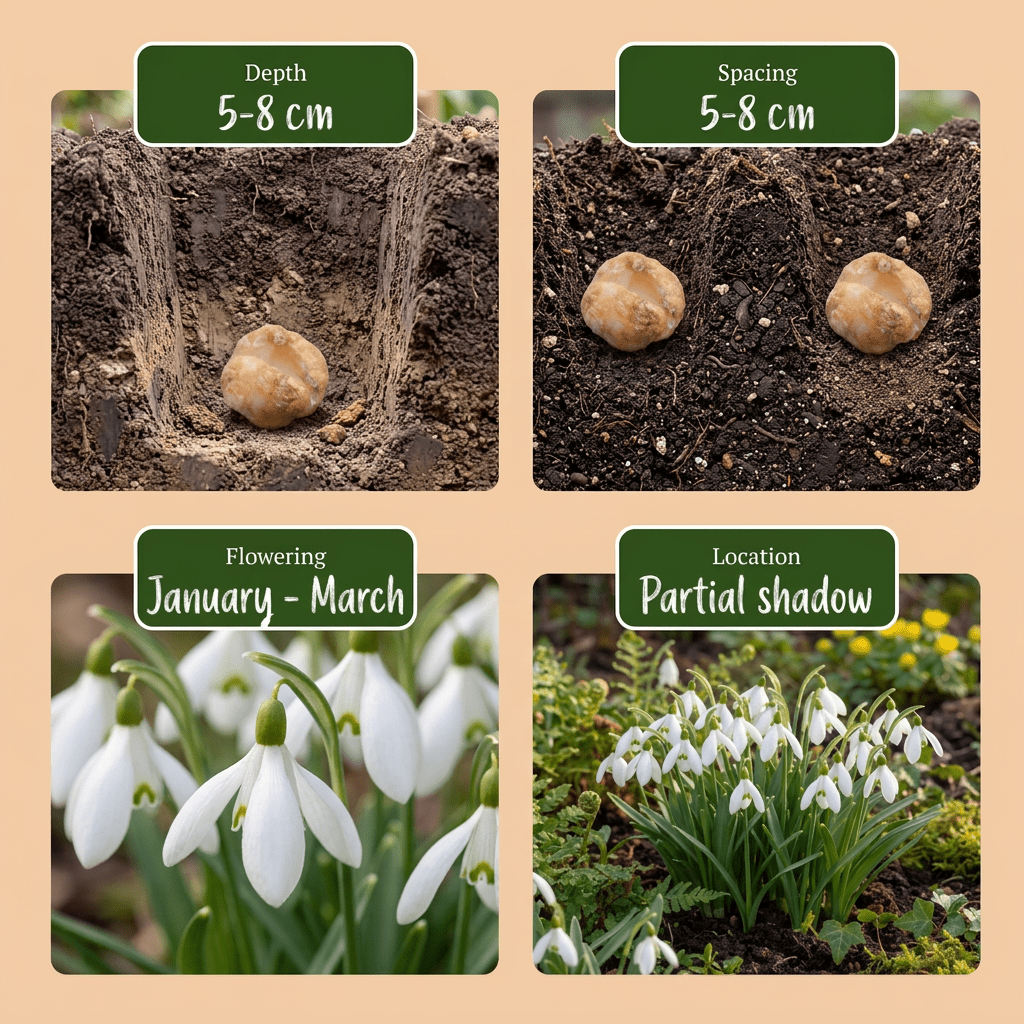
Plant the bulbs from September to November, as long as the soil is not frozen, for blooms from January to March.
- Exposure: sun or partial shade; the base of a deciduous tree is ideal, sunny in winter and shaded in summer, when the bulb is dormant.
- Depth: 8 to 10 cm, pointed end up.
- Spacing: 8 to 10 cm between bulbs in the ground; in a pot, they can almost touch.
- Soil type: rich in humus, cool and well-drained; it tolerates clay soil, but not standing water.
- Hardiness: down to -25 °C; it blooms even during frosts, with no protection needed.
Plant them in groups of 5 to 10 bulbs rather than in rows: the clumps look more natural and fill out faster.
Watering & care
In the ground, rain is enough. In pots, check the moisture with the finger test before each watering.
- Watering: minimal — at planting, then in pots when the potting mix is dry on the surface during flowering.
- Fertilizer: unnecessary in the ground; in pots, use a bulb fertilizer as the leaves emerge.
- Spent flowers: no need to cut them off; the seeds they form help the clumps spread.
- After flowering: leave the leaves in place to turn yellow until late spring; they replenish the bulb for the following year.
In pots, don't let the potting mix dry out completely in summer: while dormant, snowdrop bulbs cope poorly with total drought.
Decorating ideas & plant pairings
Their white bells brighten shady corners in the depths of winter, and they naturally find their place among plants for shady balconies.
- For a flowering shady corner in midwinter, plant them at the base of Helleborus 'Viv Victoria' — its purplish-pink flowers and the white bells open at the same time, from January to March.
- For back-to-back blooms, mix them with large-flowered crocuses — the snowdrops open the season in January, then the colorful crocuses take over in February and March.
- For an evergreen setting, pair them with Carex 'Ice Dance' — its cream-edged leaves echo the white flowers and cover the ground all year round, once the snowdrop foliage has disappeared.
- For a balcony version, plant 10 to 15 bulbs in the Elho Greenville Round foliage-green pot in the Ø20 cm size — the deep green makes the pure white bells stand out, and the drainage hole prevents stagnant water.
In a pot, plant in layers: daffodils or tulips at the bottom, snowdrops above at 8 cm. The pot blooms from January, then a second time in spring.
Verdeia tips
- Plant as soon as they arrive: snowdrop bulbs are small and dry out quickly in the open air. Plant them in the ground within a few days, as you would any new plant arriving at home.
- Divide the clumps after flowering: every three or four years, dig up an overcrowded clump as the flowers fade, separate the bulbs and replant them straight away, leaves and all. They will bloom again the following winter.
- Prepare a pot to give: plant 10 to 15 bulbs in a pot in autumn and give it in January, in full flower. The snowdrop, a symbol of hope and renewal, is one of the loveliest plants to give in winter.
Technical specifications
- Botanical name: Galanthus elwesii
- Common name: Giant snowdrop, Elwes's snowdrop
- Family: Amaryllidaceae
- Origin: species native to the mountains of south-eastern Europe (the Balkans, Greece, Bulgaria) and western Turkey
- Delivery: dry bulbs, size 5/6 (5 to 6 cm in circumference), in packs of 25, 50, 100 or 200
- Flowering height: 15 to 25 cm
- Flowering: January to March, white bells marked with green
- Planting: September to November, 8-10 cm deep
- Exposure: sun or partial shade
- Watering: low
- Hardiness: down to -25 °C
- Soil type: rich in humus, cool and well-drained
- Life cycle: perennial, naturalizes and blooms again every year
- Pollinator-friendly: one of the first sources of pollen for bees
- Care: very easy
- Toxicity: toxic to animals and children if ingested (digestive problems)
- Decorative style: Natural garden / Woodland / Winter balcony
Each bulb is unique: flowering time and flower height naturally vary from one batch to another and depending on the climate.

Your plant, delivered with care
Every plant is hand-packed in a box specially designed for plants — secured, protected, ready to travel. It arrives in perfect condition, roots intact and foliage preserved, ready to take its place in your home.
Our Verdeia commitments
FAQ – Everything to know before adopting your Verdeia plant
How are my plants prepared before shipping?
All our plants are selected from our European partner nurseries. Before shipping, they are watered, cleaned, and protected with breathable, secure packaging. Each package is designed to ensure your plant arrives in perfect health, without any transport-related stress.
Will the plant look exactly like the photo?
The photos accurately represent the variety and the stated size. Since each plant is unique, slight differences in shape, foliage, or color may occur — and that’s part of their charm.
What are the delivery times and conditions?
Orders ship within 48 working hours, with tracked delivery in 2 to 5 working days via DPD. Shipping costs and the free-shipping threshold depend on your country — see our delivery page. You receive a tracking link as soon as your parcel leaves.
What should I do when my plant arrives?
Open your package as soon as you receive it and carefully remove the plant from its packaging. Let it acclimate for 24 hours in its new environment before watering. If it has been slightly stressed during transport, it will recover its shape after one or two days in the light.
What should I do if my plant arrives damaged?
Contact us within 48 hours with a photo of the issue. Our team will assess the situation and offer you the best solution: replacement, partial refund, or recovery advice.
Can I return a plant?
Since plants are living beings, standard returns are not possible. However, we guarantee good health upon delivery: if the plant arrives damaged, it will be replaced free of charge. For any other cases (order error, decorative pot, accessory), returns are possible within 14 days.