



Mixed Darwin hybrid tulips (Multicolored tulips) — Bulbs, size 11/12
- Regular price
-
€34,95 - Regular price
-
- Sale price
-
€34,95
Couldn't load pickup availability
Frequently asked questions
Do Darwin tulips bloom again every year? Yes, Darwin hybrid tulips bloom again for several years if you let their foliage turn yellow after flowering. They rebloom better than most other tulips.
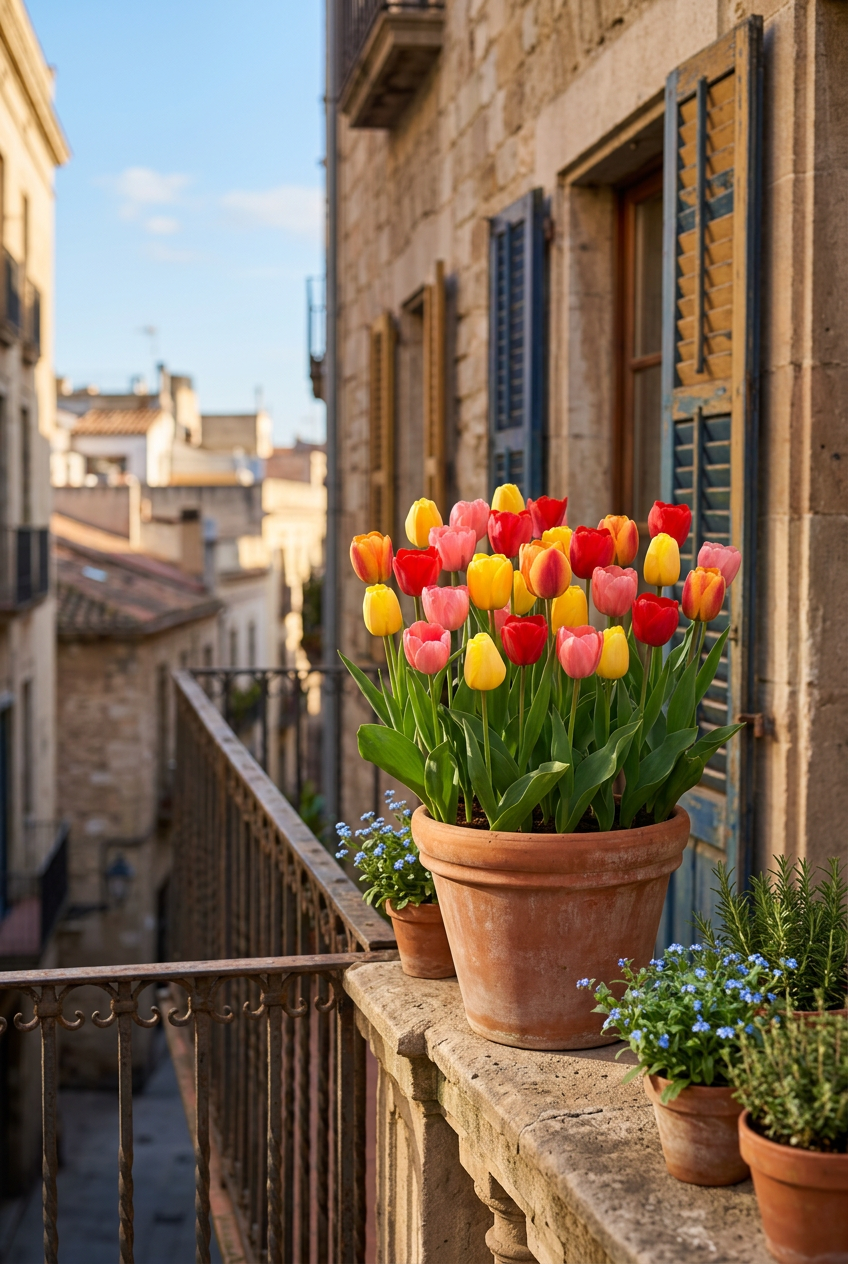
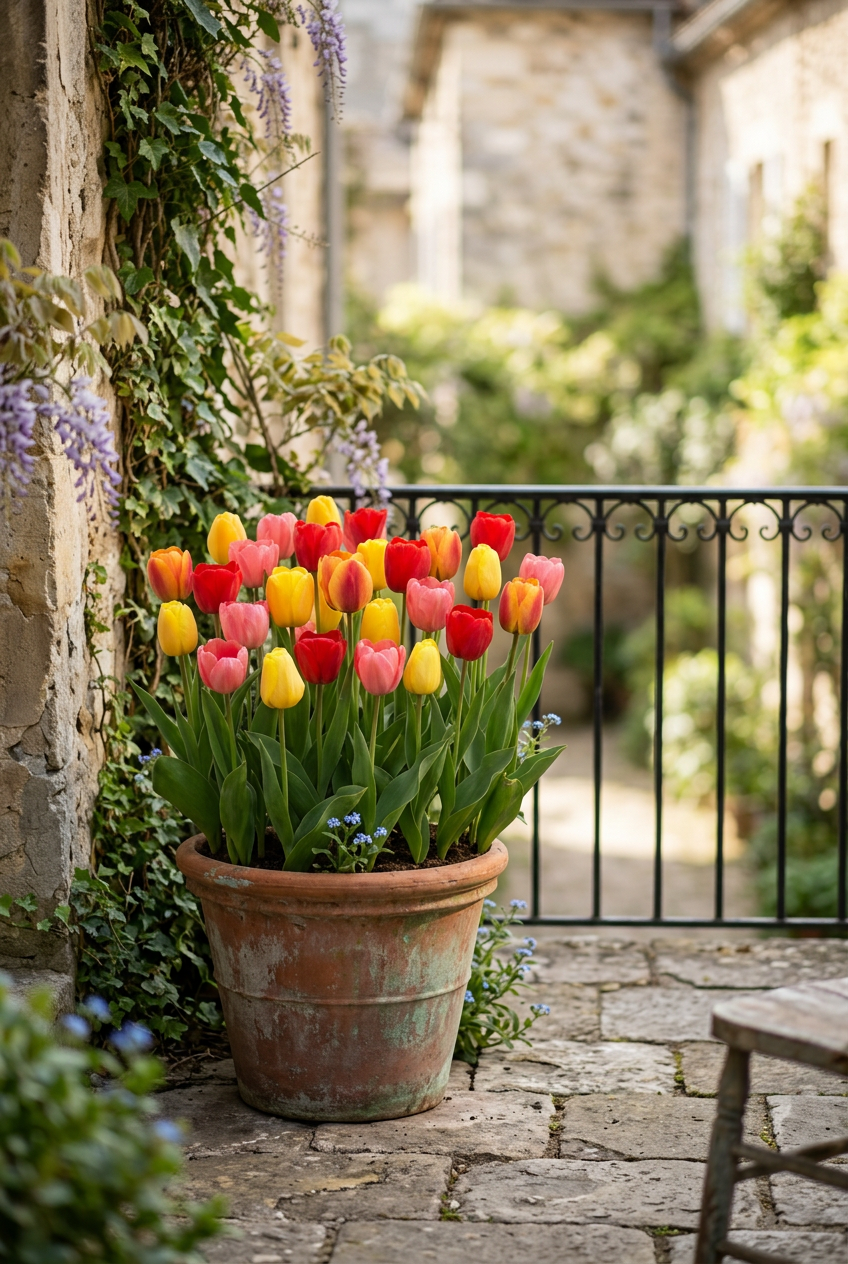
How many tulip bulbs should you put in a pot? Allow 10 to 12 bulbs in a 30 cm-diameter pot, planted almost touching, for a bouquet effect in spring.
Shipping & packaging
Shipped within 24/48 hours via DPD
- Delivery in 2 to 5 working days
- Eco-friendly packaging: recyclable boxes and biodegradable materials
- Special protection so your plant arrives in perfect condition
- Tracking link sent by email as soon as your parcel ships
- Shipping costs and the free-shipping threshold depend on your country — see our delivery page
ZEN ARRIVAL GUARANTEE
We guarantee that your plants will arrive in perfect condition. If your plant arrives damaged or in poor condition:
- Contact us promptly at hello@verdeia.eu with photos
- We will find the right solution for your situation
- No return needed — we trust you
The guarantee covers: damage in transit, plants severely weakened on arrival, and order preparation errors.
CARE TIPS ON ARRIVAL
To help your plant settle in for the long term:
- Unpack your plant immediately and inspect it
- Let it acclimatize for 24-48h in a bright spot out of direct sunlight
- Check the soil moisture before watering (dry surface = light watering)
- Wait 2-3 weeks before repotting, if needed
- Keep it away from heat sources and drafts
- Gently wipe the leaves to remove dust
Need help? Contact our team at hello@verdeia.eu or via chat.
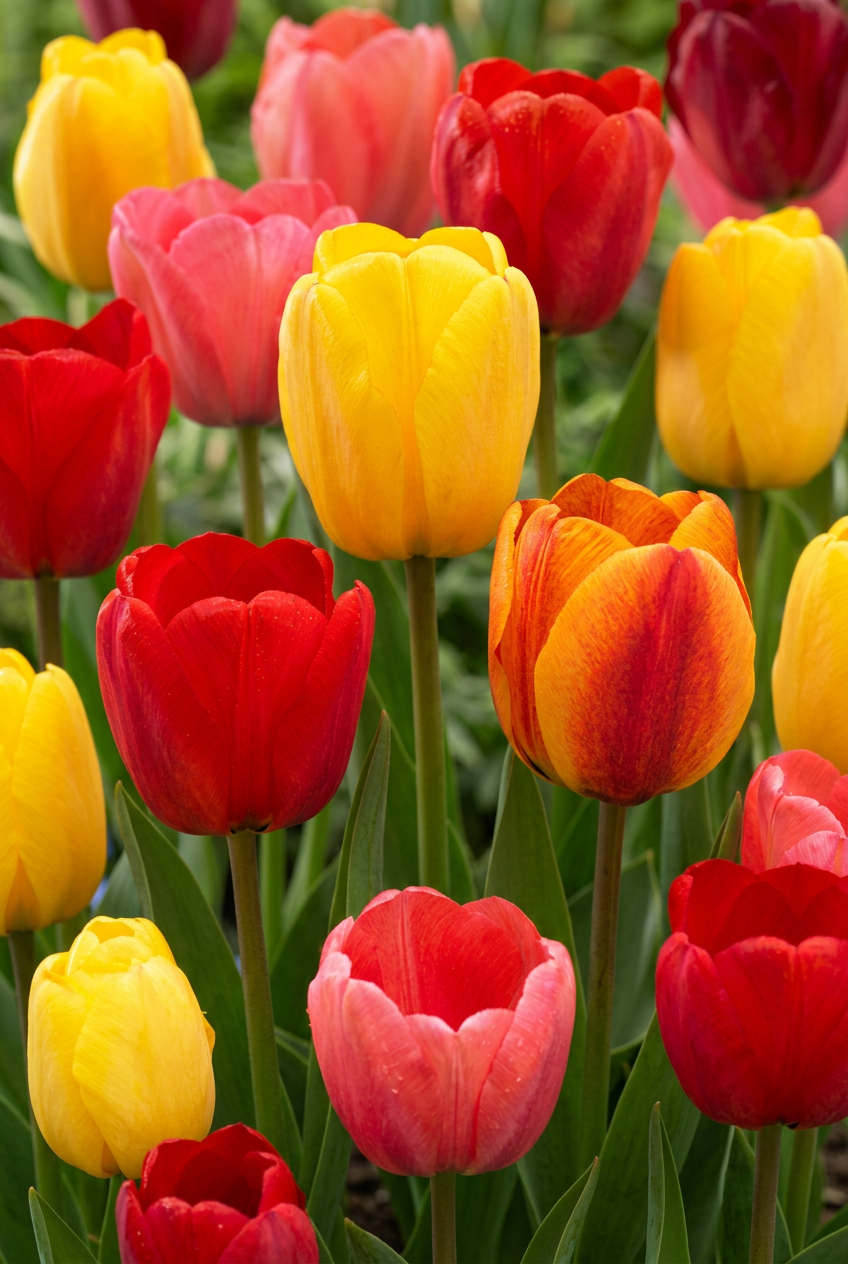
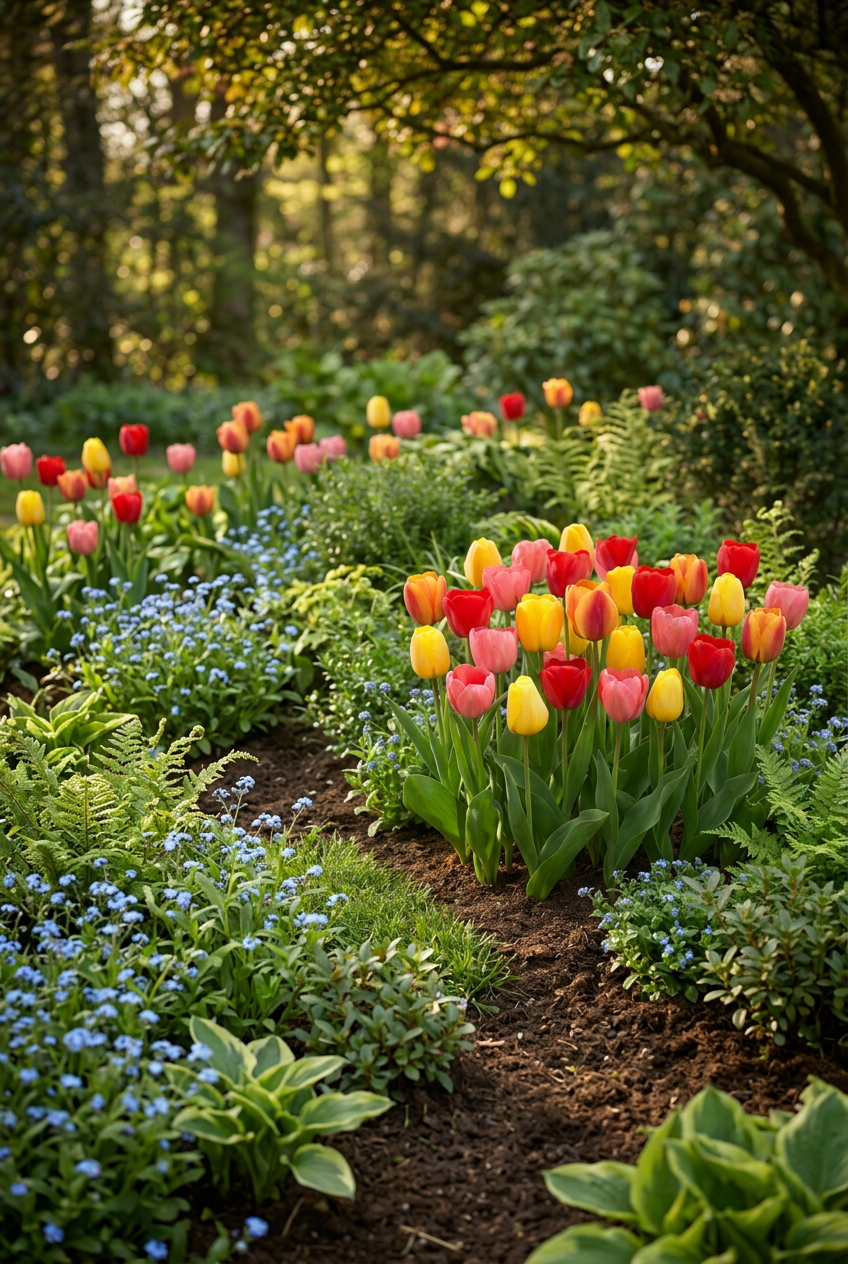
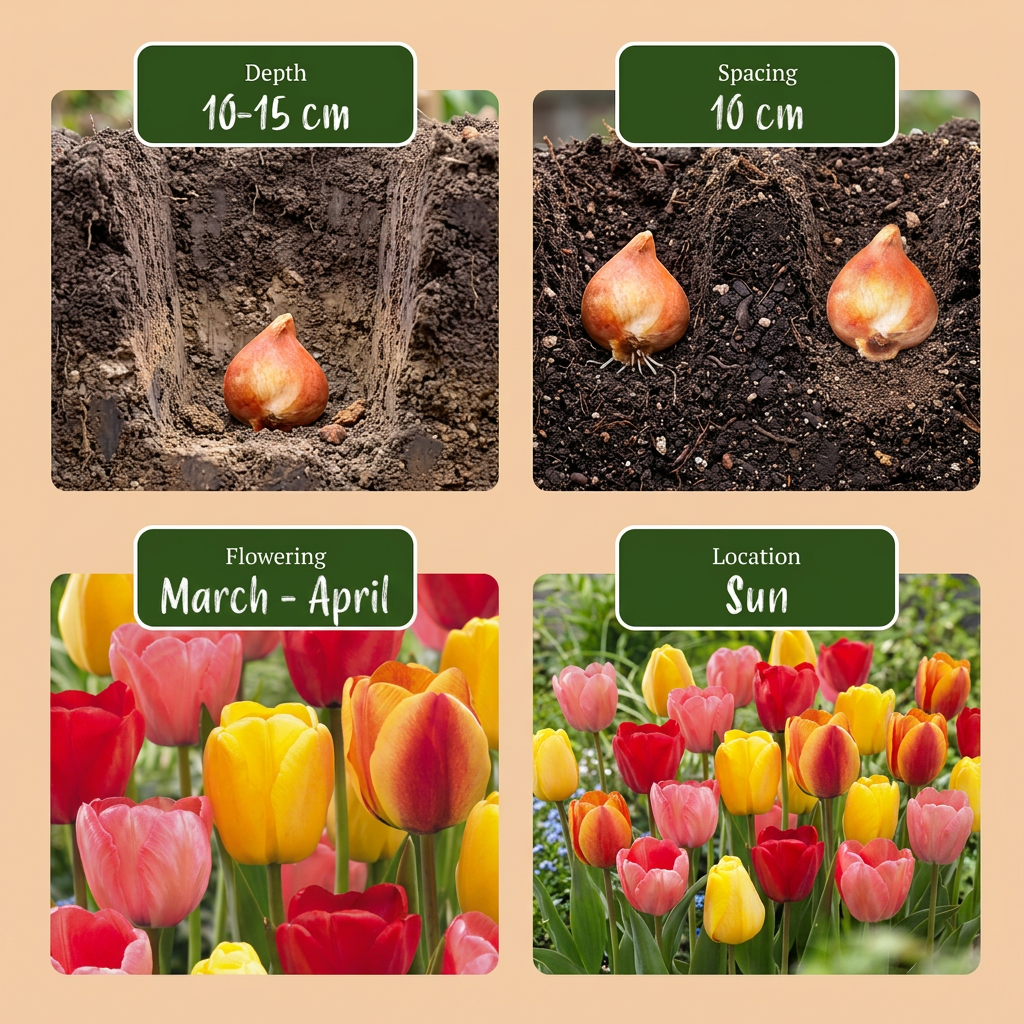

🌷 Large cup-shaped flowers up to 10 cm • 🎨 Mix of bright colors • 🌿 Sturdy 50–60 cm stems • 💐 Ideal for bouquets • ☀️ Full sun • ❄️ Very hardy • 📏 Size 11/12 bulbs
The Darwin hybrid tulips are the tallest garden tulips: on straight 50–60 cm stems, they open cup-shaped flowers up to 10 cm across in April and May, in this mix of reds, yellows, pinks and oranges. They are a horticultural selection from Europe (the Netherlands), bred by crossing garden tulips with a species tulip from Central Asia.
This cross gives them strong stems that stand up to wind and rain, and better staying power from one year to the next than most tulips. Among our flower bulbs, they bring the most color in spring, in borders and large pots alike.
Which tulip should you choose?
- Mixed Darwin tulips (this plant) — red, yellow, pink and orange, 50–60 cm, large flowers up to 10 cm in April and May. For a colorful, cheerful border.
- Black Triumph tulip — a single color, almost-black purple, 40–50 cm, in April. For a striking look and elegant combinations.
- White Triumph tulip — pure white, 40–50 cm, in April. For a bright garden and elegant combinations.
- Tulipa praestans — botanical, 20–30 cm, 3 to 5 flowers per bulb in March and April. For pots, rockeries and a garden that flowers again on its own.
- Mixed double tulips — full, peony-like flowers, 40–50 cm, in April and May. For a romantic border and generous bouquets.
The black and white tulips flower at the same time as the Darwin mix: a few in the middle of the border make all the colors stand out.
How many bulbs do you need?
Tulips look best planted in tight groups: allow about 30 bulbs per square meter, or 10 to 12 bulbs in a pot 30 cm across.
- 30 bulbs: about 1 m², or two to three large pots on a patio.
- 60 bulbs: about 2 m², for a colorful edging along a path.
- 120 bulbs: about 4 m², for a true spring border or tulips to cut all through April.
The bigger the pack, the lower the price per bulb: the 120-bulb pack works out about 35% cheaper per bulb than the 30-bulb pack.
Planting & position
Plant tulips from October to December, once the soil has cooled, for flowers in April and May.
- Position: full sun; in partial shade the stems stretch and lean towards the light.
- Depth: 15–20 cm, pointed end up; planted deep, the bulb flowers better the following year.
- Spacing: 10–15 cm between bulbs in the ground, 5 cm in pots.
- Soil: well drained; add sand to heavy soil, as the bulb rots in waterlogged ground.
- Hardiness: down to -25 °C in the ground, no protection needed.
Plant the bulbs in groups of 7 to 10 rather than in a line: the color mix looks more natural and fuller.
Watering & care
In the ground, autumn and spring rain is enough. In pots, check the moisture with the finger test before each watering.
- Watering: low — at planting, then in pots when the potting mix is dry on the surface, especially while the buds are forming.
- Feeding: not needed in the ground; in pots, a bulb fertilizer as the leaves appear.
- Faded flowers: cut the flower off just below the head as soon as it drops its petals, leaving the stem and leaves.
- After flowering: let the foliage turn yellow where it is for six weeks; it rebuilds the bulb’s reserves for the following year.
Bulbs tire faster in pots: plant them out in the garden after flowering and put fresh bulbs in the pot in autumn.
Styling ideas & plant pairings
Their bright colors wake up borders and large pots in spring, taking over from other bulbs, as suggested in our guide to plants for a sunny balcony.
- For flowers from February to May, plant Narcissus 'Tête-à-Tête' in front of them — its small yellow flowers open the season, then the tulips take over in April.
- To keep the show going until June, mix them with Allium 'Purple Sensation' — its purple globes open just as the tulips fade.
- To hide the foliage after flowering, plant them between clumps of the Festuca, Carex and Stipa grass trio — the grasses mask the yellowing leaves.
- For a patio version, plant 10 to 12 bulbs in the Elho Greenville Round pot in leaf green, Ø25 cm — its understated green lets the colors of the mix take center stage.
In a pot, plant the bulbs almost touching, tip to tip: you’ll get a compact bouquet that bursts into flower all at once.
Verdeia tips
- Wait for the soil to cool: ideally plant from late October. In soil that is still warm, tulip bulbs are more prone to disease.
- Cut them in bud for the vase: pick tulips in the morning, when the bud is colored but still closed. They last a week in the vase and make a lovely gift bouquet, as shown in our ideas for plants to give as gifts.
- Add a few bulbs every autumn: Darwin tulips flower again for several years, but the blooms get smaller over time. A few fresh bulbs each year keep a border well filled.
Technical details
- Botanical name: Tulipa Darwin Hybrid, mix
- Common name: Darwin hybrid tulip
- Family: Liliaceae
- Origin: horticultural selection from Europe (the Netherlands)
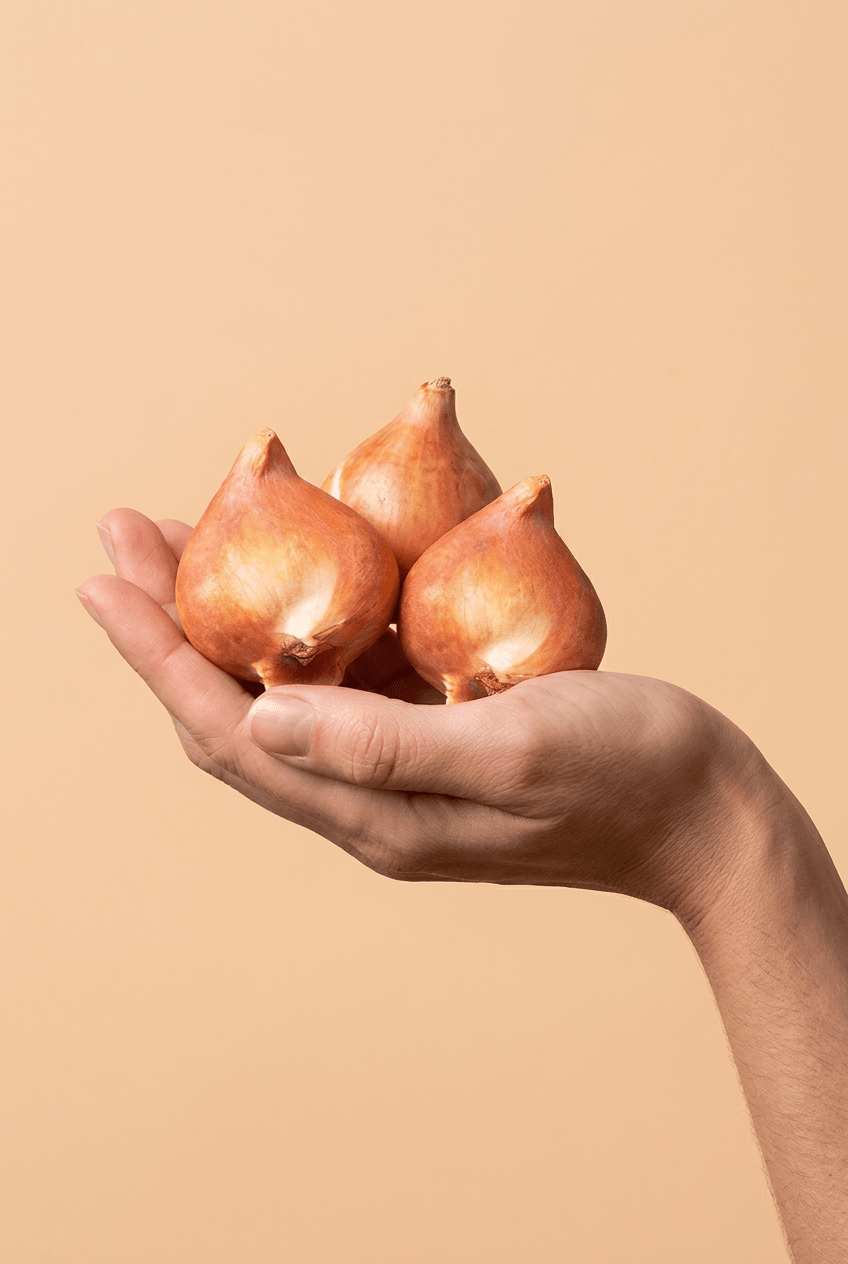
- Delivered as: dry bulbs, size 11/12 (11 to 12 cm in circumference), mixed colors, in packs of 30, 60 or 120
- Height in flower: 50–60 cm
- Flowering: April to May, cup-shaped flowers up to 10 cm
- Planting: October to December, 15–20 cm deep
- Position: full sun
- Watering: low
- Hardiness: down to -25 °C
- Soil: well drained
- Life cycle: perennial, flowers again for several years
- Care: very easy
- Toxicity: toxic to pets and children if ingested
- Decor style: Spring garden / Cottage / Bouquet
Every bulb is unique: the color balance of the mix and the flowering date vary naturally from batch to batch and with the climate.

Your plant, delivered with care
Every plant is hand-packed in a box specially designed for plants — secured, protected, ready to travel. It arrives in perfect condition, roots intact and foliage preserved, ready to take its place in your home.
Our Verdeia commitments
FAQ – Everything to know before adopting your Verdeia plant
How are my plants prepared before shipping?
All our plants are selected from our European partner nurseries. Before shipping, they are watered, cleaned, and protected with breathable, secure packaging. Each package is designed to ensure your plant arrives in perfect health, without any transport-related stress.
Will the plant look exactly like the photo?
The photos accurately represent the variety and the stated size. Since each plant is unique, slight differences in shape, foliage, or color may occur — and that’s part of their charm.
What are the delivery times and conditions?
Orders ship within 48 working hours, with tracked delivery in 2 to 5 working days via DPD. Shipping costs and the free-shipping threshold depend on your country — see our delivery page. You receive a tracking link as soon as your parcel leaves.
What should I do when my plant arrives?
Open your package as soon as you receive it and carefully remove the plant from its packaging. Let it acclimate for 24 hours in its new environment before watering. If it has been slightly stressed during transport, it will recover its shape after one or two days in the light.
What should I do if my plant arrives damaged?
Contact us within 48 hours with a photo of the issue. Our team will assess the situation and offer you the best solution: replacement, partial refund, or recovery advice.
Can I return a plant?
Since plants are living beings, standard returns are not possible. However, we guarantee good health upon delivery: if the plant arrives damaged, it will be replaced free of charge. For any other cases (order error, decorative pot, accessory), returns are possible within 14 days.